

Customizing a PLC control cabinet is a complex process that involves multiple stages, from initial design to final assembly and testing. The time required can vary significantly based on several factors. As a PLC Control Cabinet supplier, I have witnessed firsthand the various elements that influence the customization timeline. In this blog, I will explore these factors and provide a comprehensive understanding of how long it typically takes to customize a PLC control cabinet.
Factors Affecting the Customization Time
Design Complexity
The complexity of the design is perhaps the most significant factor influencing the customization time. A basic PLC control cabinet with standard components and a straightforward layout can be designed relatively quickly. However, if the project requires custom features such as advanced control algorithms, integration with multiple systems, or unique physical dimensions, the design phase can be significantly extended.
For example, a simple Industrial Control Cabinet for a small manufacturing process may only take a few days to design. The design team can use pre - existing templates and standard components, making the process efficient. On the other hand, a highly customized Power Control Cabinet for a large - scale power plant may require weeks or even months of detailed design work. This is because the cabinet needs to meet strict safety and performance standards, and the design must be carefully coordinated with other systems in the plant.
Component Availability
The availability of components is another crucial factor. Standard components such as PLCs, relays, and circuit breakers are usually readily available from suppliers. However, if the customization requires specialized or rare components, it can cause significant delays.
Some high - performance PLCs with specific features may have long lead times due to high demand or limited production capacity. In addition, custom - made components, which are often required for unique cabinet designs, can take a long time to manufacture. For instance, a custom - sized enclosure for a Motor Control Cabinet (MCC) may need to be fabricated by a specialized manufacturer, and the production time can range from a few weeks to several months depending on the manufacturer's workload.
Testing Requirements
Thorough testing is essential to ensure the reliability and performance of the PLC control cabinet. The extent of testing required can vary depending on the application and the customer's specifications.
For a simple control cabinet used in a non - critical application, basic functionality testing may be sufficient, and this can be completed in a short period. However, for a control cabinet used in a safety - critical environment such as a nuclear power plant or an aerospace application, extensive testing is required. This may include environmental testing (such as temperature, humidity, and vibration testing), electromagnetic compatibility (EMC) testing, and functional safety testing. These comprehensive tests can take weeks or even months to complete, especially if any issues are identified and need to be resolved.
Customer Feedback and Revisions
The time taken for customer feedback and revisions can also impact the overall customization timeline. During the design and development process, it is common for the customer to provide feedback on the proposed design. If the customer requests significant changes, it can lead to additional design work and testing.
For example, if the customer decides to change the control strategy or add new features after the initial design is completed, the design team will need to go back to the drawing board and make the necessary modifications. This can cause delays, especially if the changes are complex and require re - evaluating the entire system.
Typical Timeframes for Customization
Based on my experience as a PLC Control Cabinet supplier, here are some general timeframes for different levels of customization:
Simple Customization
For a relatively simple PLC control cabinet with minor customizations, such as adding a few additional sensors or changing the color of the enclosure, the entire customization process can take anywhere from 2 - 4 weeks. This includes design (1 - 2 weeks), component procurement (1 week), assembly (1 - 2 days), and testing (1 - 2 days).
Moderate Customization
A moderately customized PLC control cabinet, which may involve integrating multiple systems, adding custom control logic, or using non - standard components, typically takes 4 - 8 weeks. The design phase may take 2 - 4 weeks, component procurement can take 2 - 3 weeks, assembly may take 3 - 5 days, and testing can take 1 - 2 weeks.
High - End Customization
For highly customized PLC control cabinets, such as those used in large - scale industrial projects or critical applications, the customization process can take 8 weeks or more. The design phase may span 4 - 6 weeks, component procurement can take 4 - 6 weeks due to the need for specialized components, assembly may take 1 - 2 weeks, and comprehensive testing can take 2 - 4 weeks.
Strategies to Reduce Customization Time
Early Planning and Communication
Early planning and clear communication between the supplier and the customer are crucial. By involving the customer in the design process from the beginning, potential issues and requirements can be identified and addressed early on. This reduces the likelihood of major revisions later in the project, saving time and resources.
Supplier Relationships
Maintaining good relationships with component suppliers can help ensure the timely availability of components. A reliable supplier network can provide access to a wide range of components and may be able to expedite the delivery of critical parts in case of urgent needs.
Standardization and Modular Design
To the extent possible, using standardized components and modular design principles can significantly reduce customization time. Standard components are more readily available, and modular design allows for faster assembly and easier maintenance. This approach also enables the reuse of existing designs and components, streamlining the entire customization process.
Conclusion
The time it takes to customize a PLC control cabinet depends on multiple factors, including design complexity, component availability, testing requirements, and customer feedback. While simple customizations can be completed in a few weeks, highly customized cabinets for critical applications may take several months. By understanding these factors and implementing strategies to reduce customization time, both suppliers and customers can achieve more efficient and timely project delivery.
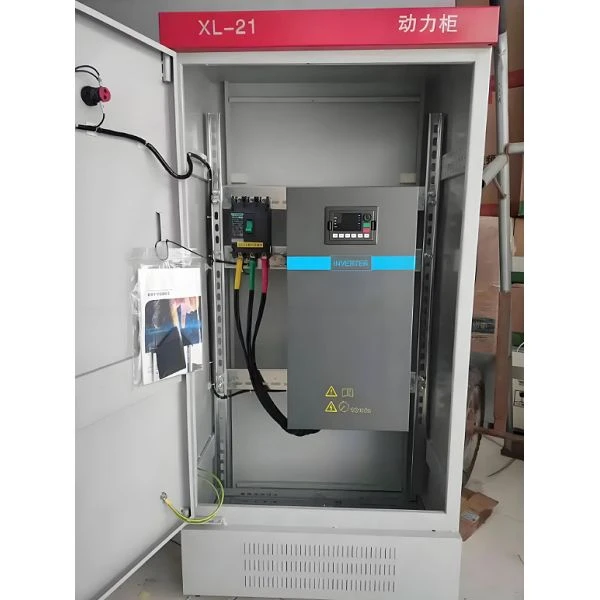

If you are considering purchasing a customized PLC control cabinet, I encourage you to reach out to discuss your specific requirements. We can work together to develop a tailored solution that meets your needs within the shortest possible time frame.
References
- "Industrial Automation Handbook", multiple authors, published by Wiley & Sons.
- "PLC Programming and Applications", a well - known industrial automation textbook.
- Technical whitepapers from major PLC and control cabinet manufacturers.