

As a supplier of outdoor control cabinets, I often receive inquiries from customers about the suitability of our products in extreme cold weather. This is a crucial question, especially for industries operating in regions with harsh winter conditions, such as the oil and gas, mining, and telecommunications sectors. In this blog post, I will delve into the technical aspects of outdoor control cabinets and their performance in extreme cold, offering insights and practical advice.
Understanding the Challenges of Extreme Cold Weather
Extreme cold weather presents several challenges to outdoor control cabinets. The most significant issue is the impact of low temperatures on the electrical and electronic components inside the cabinet. Many electronic components, such as batteries, capacitors, and printed circuit boards, have specific temperature ranges within which they operate optimally. When the temperature drops below these ranges, the performance of these components can degrade significantly.
For instance, batteries tend to lose their capacity in cold weather. Chemical reactions inside the battery slow down, reducing the amount of electrical energy that can be stored and delivered. Capacitors may also experience changes in their capacitance values, which can affect the timing and operation of electronic circuits. Printed circuit boards can become brittle in cold temperatures, increasing the risk of cracking and short - circuits.
Another challenge is the formation of condensation and ice. When warm, moist air inside the cabinet comes into contact with the cold surfaces of the cabinet walls, condensation can form. If the temperature drops further, this condensation can freeze, leading to ice buildup. Ice can cause mechanical damage to the cabinet structure and interfere with the operation of moving parts, such as doors and ventilation fans.
Features of Outdoor Control Cabinets for Extreme Cold
To address these challenges, our outdoor control cabinets are designed with several features that enhance their performance in extreme cold weather.
Insulation
One of the key features is high - quality insulation. We use materials with low thermal conductivity, such as foam insulation, to reduce the heat transfer between the inside and outside of the cabinet. This helps to maintain a relatively stable temperature inside the cabinet, protecting the electronic components from the extreme cold.
Heating Systems
Many of our Climate Controlled Outdoor Cabinet are equipped with heating systems. These systems can be either electric heaters or heat exchangers. Electric heaters are simple and effective, providing direct heat to the interior of the cabinet. Heat exchangers, on the other hand, transfer heat from an external source, such as an engine coolant, to the cabinet. This can be a more energy - efficient option in some cases.
Sealing
Proper sealing is essential to prevent the ingress of moisture and cold air. Our cabinets are designed with gaskets and seals around the doors, vents, and cable entries. These seals are made of materials that remain flexible even in cold temperatures, ensuring a tight seal at all times.
Moisture Management
In addition to sealing, we also incorporate moisture management systems in our cabinets. These systems may include desiccants to absorb moisture, as well as ventilation fans that can be programmed to operate at specific intervals to remove moist air from the cabinet.
Testing and Certification
Before our outdoor control cabinets are released to the market, they undergo rigorous testing in extreme cold conditions. We use climate chambers to simulate temperatures as low as - 40°C or even lower. During these tests, we monitor the performance of the cabinet's heating system, insulation, and electronic components to ensure they meet our high - quality standards.
We also seek relevant certifications, such as UL (Underwriters Laboratories) and IEC (International Electrotechnical Commission) certifications. These certifications demonstrate that our products comply with international safety and performance standards for use in extreme environments.

Case Studies
Let's take a look at some real - world examples of how our outdoor control cabinets have performed in extreme cold weather.
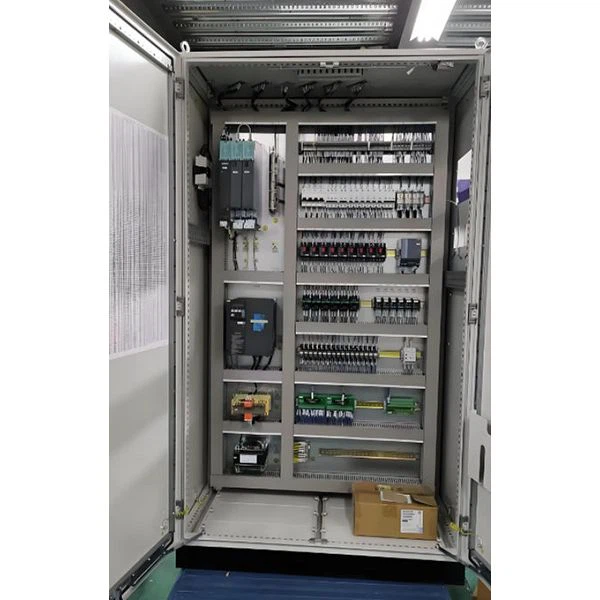
In a mining project in the Canadian Arctic, our PLC Control Cabinet were installed to control the operation of heavy machinery. The temperatures in the region can drop to - 30°C or lower during the winter months. Despite these harsh conditions, the cabinets have been operating reliably for several years. The heating systems and insulation have effectively maintained a stable temperature inside the cabinets, ensuring the proper operation of the PLCs and other electronic components.
Another case is a telecommunications project in northern Scandinavia. Our Electrical Control Cabinet were used to house the power distribution and control equipment for a mobile phone network. The cabinets were exposed to extreme cold and high winds. Thanks to their robust construction, sealing, and moisture management systems, they have withstood the elements and kept the equipment running smoothly.
Conclusion
In conclusion, outdoor control cabinets can indeed be used in extreme cold weather, provided they are properly designed and equipped. Our company, as a leading supplier of outdoor control cabinets, has the expertise and technology to provide solutions that meet the challenges of extreme cold.
If you are looking for reliable outdoor control cabinets for your project in a cold - climate region, we invite you to contact us for a detailed discussion. Our team of experts can help you select the right cabinet configuration and features based on your specific requirements. We are committed to providing high - quality products and excellent customer service to ensure the success of your project.
References
- "Handbook of Electronic Component Technology" by Cengiz Ozisik
- "Thermal Management of Electronics" by Avram Bar - Cohen and Daniel P. Mahajan
- Industry standards and guidelines from UL and IEC.