

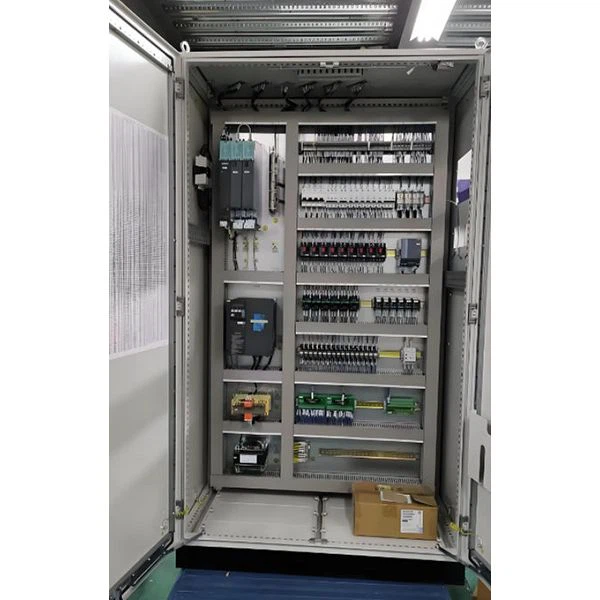
As a supplier specializing in Floor-Mounted Control Cabinet, I understand the importance of proper component labeling in these cabinets. Floor-mounted control cabinets house a wide range of electrical and electronic components that play crucial roles in various industrial and commercial applications. Accurate and clear labeling not only enhances safety but also streamlines maintenance, troubleshooting, and overall system management. In this blog post, I will share some essential tips on how to effectively label the components in a floor-mounted control cabinet.
Understand the Purpose of Labeling
Before you start labeling, it's crucial to understand why labeling is necessary. Labels serve several important functions:
- Safety: Clear labels help prevent accidents by indicating the purpose and potential hazards associated with each component. For example, labels can show high-voltage areas, emergency shut-off switches, and other safety-critical information.
- Maintenance and Troubleshooting: When maintenance or repairs are needed, labels make it easier for technicians to identify components quickly. This reduces downtime and ensures that repairs are carried out efficiently.
- Documentation and Compliance: Proper labeling is often required for regulatory compliance and documentation purposes. It provides a clear record of the cabinet's components and their functions, which can be useful for audits and inspections.
Choose the Right Labeling Materials
The choice of labeling materials is essential to ensure that the labels remain legible and durable over time. Here are some factors to consider when selecting labeling materials:
- Adhesion: The labels should adhere firmly to the cabinet surface and withstand environmental factors such as temperature, humidity, and vibration.
- Durability: The labels should be resistant to abrasion, chemicals, and UV light to prevent fading or damage.
- Legibility: The text and symbols on the labels should be clear and easy to read, even from a distance. Use a font size and style that is appropriate for the size of the label and the viewing distance.
- Compatibility: The labeling materials should be compatible with the cabinet's surface material to ensure proper adhesion and prevent damage.
Common labeling materials include vinyl, polyester, and metal. Vinyl labels are cost-effective and suitable for most applications, while polyester labels offer greater durability and resistance to chemicals. Metal labels are the most durable option but are also more expensive.
Develop a Labeling System
A well-defined labeling system is essential for consistency and clarity. Here are some steps to develop a labeling system for your floor-mounted control cabinet:
- Identify Components: Start by identifying all the components in the cabinet, including switches, relays, circuit breakers, fuses, and sensors. Make a list of the components and their functions.
- Create Standardized Labels: Develop a set of standardized labels for each type of component. Use clear and concise text to describe the component's function, rating, and any other relevant information. Include symbols and icons to enhance clarity and make the labels more visually appealing.
- Establish a Labeling Hierarchy: Determine the hierarchy of the labels based on their importance and visibility. For example, main power switches and emergency shut-off buttons should have larger and more prominent labels than secondary components.
- Use a Consistent Format: Use a consistent format for all the labels, including font size, style, color, and placement. This will make it easier for technicians to read and understand the labels quickly.
Labeling Best Practices
In addition to choosing the right labeling materials and developing a labeling system, there are several best practices to follow when labeling the components in a floor-mounted control cabinet:
- Label in a Logical Order: Label the components in a logical order, such as from left to right, top to bottom, or in the order of their electrical connections. This will make it easier for technicians to locate components quickly.
- Include Safety Information: In addition to the component's function and rating, include safety information such as voltage, current, and any special precautions or warnings. This will help prevent accidents and ensure the safety of technicians working on the cabinet.
- Use Color Coding: Color coding can be used to distinguish between different types of components or circuits. For example, red labels can be used for high-voltage components, while green labels can be used for low-voltage components.
- Update Labels Regularly: As components are added, removed, or replaced in the cabinet, update the labels accordingly to ensure that they remain accurate and up-to-date.
- Keep a Record of Labels: Keep a record of all the labels used in the cabinet, including their location, content, and date of installation. This will make it easier to track changes and ensure that the labels are consistent with the cabinet's documentation.
Consider Specialized Labeling Requirements
Depending on the application and industry, there may be specialized labeling requirements that need to be met. For example:

- Electrical Codes and Standards: In many countries, electrical codes and standards require specific labeling for electrical components and systems. Make sure that your labels comply with these requirements.
- Hazardous Environments: If the cabinet is located in a hazardous environment, such as a chemical plant or a mining site, the labels may need to be resistant to chemicals, dust, and moisture.
- International Applications: If the cabinet is intended for international use, the labels may need to be in multiple languages to ensure that they can be understood by technicians from different countries.
Conclusion
Properly labeling the components in a floor-mounted control cabinet is essential for safety, maintenance, and compliance. By understanding the purpose of labeling, choosing the right labeling materials, developing a labeling system, and following best practices, you can ensure that your labels are clear, accurate, and durable. If you have any questions or need further assistance with labeling your floor-mounted control cabinets, please feel free to contact us for more information. We are a leading supplier of Floor-Mounted Control Cabinet, Electrical Control Cabinet, Outdoor Control Cabinet, Industrial Control Cabinet, and Climate Controlled Outdoor Cabinet, and we are committed to providing high-quality products and services to our customers.
References
- National Electrical Code (NEC)
- International Electrotechnical Commission (IEC) standards
- Manufacturer's documentation for control cabinet components