

Operating a control cabinet safely is of utmost importance in various industrial and commercial settings. As a reputable control cabinet supplier, we understand the critical role that these cabinets play in ensuring the smooth and secure operation of electrical and electronic systems. In this blog, we will delve into the key aspects of safe control cabinet operation, providing you with valuable insights and practical tips.
Understanding Control Cabinets
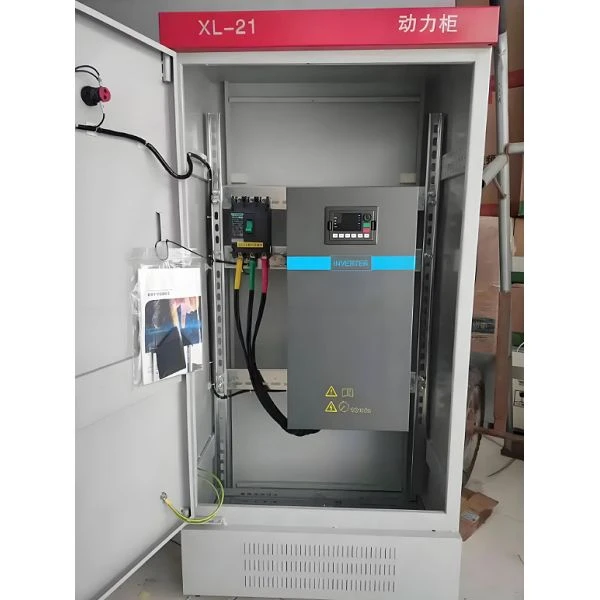
Before we discuss the safety measures, it's essential to have a basic understanding of control cabinets. Control cabinets are enclosures that house electrical and electronic components, such as circuit breakers, relays, controllers, and power supplies. They are used to control, monitor, and protect electrical systems in a wide range of applications, including industrial automation, power generation, and building management.
There are different types of control cabinets available, each designed for specific purposes. For instance, the Signal Controller Cabinet is used to manage and control signals in communication and traffic systems. The Industrial Control Cabinet is commonly found in manufacturing plants and industrial facilities, where it controls machinery and production processes. The Electrical Control Cabinet is responsible for distributing and controlling electrical power, while the Outdoor Control Cabinet is designed to withstand harsh environmental conditions. The Motor Control Cabinet (MCC) is used to control and protect electric motors.
Safety Precautions Before Operation
Training and Certification
One of the most fundamental safety measures is to ensure that all personnel who operate the control cabinet are properly trained and certified. Training should cover the basic principles of electrical safety, the specific functions of the control cabinet, and the correct procedures for operating and maintaining it. Certified operators are less likely to make mistakes that could lead to accidents or equipment damage.
Inspection and Maintenance
Regular inspection and maintenance of the control cabinet are crucial for safe operation. Before starting the cabinet, visually inspect it for any signs of damage, such as cracks, loose connections, or corrosion. Check the integrity of the enclosure to ensure that it provides adequate protection against dust, moisture, and other environmental hazards. Inspect the electrical components for any signs of overheating, arcing, or abnormal behavior.
Personal Protective Equipment (PPE)
Operators should always wear appropriate personal protective equipment (PPE) when working with control cabinets. This includes safety glasses, gloves, and insulated clothing. PPE helps protect the operator from electrical shocks, burns, and other potential hazards.
Safe Operation Procedures
Power On and Off
When powering on the control cabinet, follow the manufacturer's instructions carefully. Start by turning on the main power switch and then gradually activate the individual components. Avoid sudden power surges, as they can damage the electrical components. When powering off the cabinet, reverse the process, turning off the individual components first and then the main power switch.
Monitoring and Control
During operation, continuously monitor the control cabinet for any abnormal conditions. Check the status indicators, meters, and alarms to ensure that the system is operating within the normal parameters. If any issues are detected, take immediate action to address them. Use the control panel to adjust the settings and parameters as needed, but always follow the proper procedures.

Lockout/Tagout Procedures
Lockout/tagout procedures are essential for preventing accidental startup of the control cabinet during maintenance or repair work. Before performing any maintenance or repair tasks, isolate the power source and lock it out using a padlock. Attach a tag to the lockout device, indicating that maintenance is in progress. Only authorized personnel should be allowed to remove the lockout/tagout devices.
Safety Considerations for Different Environments
Indoor Environments
In indoor environments, control cabinets should be installed in a well-ventilated area to prevent overheating. The area should be free from dust, moisture, and other contaminants that could damage the electrical components. Ensure that the cabinet is properly grounded to protect against electrical shocks.
Outdoor Environments
Outdoor control cabinets are exposed to more severe environmental conditions, such as extreme temperatures, humidity, and precipitation. They should be designed to withstand these conditions and provide adequate protection for the electrical components. The cabinet should have a weatherproof enclosure, proper ventilation, and heating or cooling systems if necessary.
Emergency Response
Despite taking all the necessary safety precautions, emergencies can still occur. It's important to have an emergency response plan in place to minimize the damage and ensure the safety of personnel. The emergency response plan should include procedures for dealing with electrical fires, short circuits, and other potential hazards. All personnel should be trained on the emergency response plan and know what to do in case of an emergency.
Conclusion
Operating a control cabinet safely requires a combination of proper training, regular maintenance, and adherence to safety procedures. As a control cabinet supplier, we are committed to providing our customers with high-quality products and comprehensive support to ensure the safe and efficient operation of their control systems. If you are in the market for a control cabinet or need more information on safe operation, please feel free to contact us for procurement and further discussions.
References
- Electrical Safety Standards and Guidelines, National Fire Protection Association
- Control Cabinet Installation and Operation Manuals, Various Manufacturers