

Hey there! As an Industrial Electrical Cabinet supplier, I've been getting a lot of questions lately about the difference between general and explosion-proof industrial electrical cabinets. So, I thought I'd take a few minutes to break it down for you.
General Industrial Electrical Cabinets
First off, let's talk about general industrial electrical cabinets. These are the workhorses of the industrial world. They're used in a wide variety of applications, from small workshops to large manufacturing plants.
General Industrial Electrical Cabinet are designed to house electrical components like circuit breakers, contactors, and relays. They provide a safe and organized way to manage electrical systems. They come in different sizes and configurations to meet the specific needs of different industries.
One of the key features of general industrial electrical cabinets is their versatility. They can be customized to fit different types of equipment and electrical systems. For example, if you have a small machine that requires a simple electrical control system, you can choose a compact cabinet. On the other hand, if you have a large industrial process that needs a complex control system, you can opt for a larger cabinet with more space for components.
Another important aspect of general industrial electrical cabinets is their durability. They're built to withstand harsh industrial environments, including dust, moisture, and temperature variations. Most cabinets are made of high-quality materials like steel or aluminum, which provide good protection against corrosion and physical damage.
However, general industrial electrical cabinets have their limitations. They're not designed to prevent the spread of explosions or fires. In environments where there's a risk of flammable gases, vapors, or dust, these cabinets can pose a serious safety hazard.
Explosion-Proof Industrial Electrical Cabinets
That's where explosion-proof industrial electrical cabinets come in. These cabinets are specifically designed to prevent the ignition of flammable substances and contain any explosions that may occur.
Explosion-proof cabinets are built to strict safety standards. They're constructed with special materials and designs that can withstand the pressure and heat generated by an explosion. The cabinets are sealed to prevent the entry of flammable gases or dust, and they're equipped with explosion-proof components like switches and connectors.
One of the main differences between general and explosion-proof industrial electrical cabinets is the level of protection they provide. Explosion-proof cabinets are rated according to the type of hazardous environment they can be used in. For example, a cabinet rated for Class I, Division 1 environments is designed to prevent the ignition of flammable gases or vapors in areas where these substances are likely to be present under normal operating conditions.
Another difference is the cost. Explosion-proof cabinets are generally more expensive than general industrial electrical cabinets. This is because they require more specialized materials and manufacturing processes to meet the strict safety standards.
Applications
The choice between general and explosion-proof industrial electrical cabinets depends on the specific application. If you're working in a non-hazardous environment, a general Electrical Control Cabinet will probably be sufficient. These cabinets are commonly used in industries such as food processing, packaging, and automotive manufacturing.
On the other hand, if you're working in a hazardous environment, such as an oil refinery, chemical plant, or mining operation, you'll need an explosion-proof cabinet. These cabinets are essential for ensuring the safety of workers and equipment in areas where there's a risk of explosion.
Other Types of Industrial Electrical Cabinets
In addition to general and explosion-proof cabinets, there are other types of industrial electrical cabinets that you might come across. For example, Outdoor Control Cabinet are designed to be used in outdoor environments. They're built to withstand the elements, including rain, snow, and extreme temperatures.
PLC Control Cabinet are used to house programmable logic controllers (PLCs). These cabinets are often used in automation systems to control and monitor industrial processes.

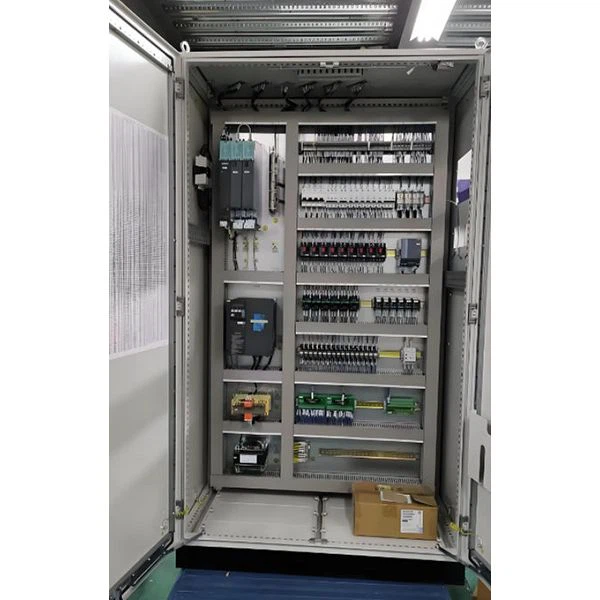
Floor-Mounted Control Cabinet are large cabinets that are installed on the floor. They're typically used in industrial settings where there's a need for a lot of space to house electrical components.
Conclusion
So, there you have it! The main difference between general and explosion-proof industrial electrical cabinets is the level of protection they provide. General cabinets are versatile and durable, but they're not suitable for hazardous environments. Explosion-proof cabinets, on the other hand, are designed to prevent the spread of explosions and fires in areas where flammable substances are present.
If you're in the market for an industrial electrical cabinet, it's important to choose the right type for your application. Consider the environment in which the cabinet will be used, as well as the specific requirements of your electrical system.
If you have any questions or need help choosing the right cabinet for your needs, don't hesitate to reach out. We're here to help you make the best decision for your business. Whether you're looking for a general industrial electrical cabinet or an explosion-proof cabinet, we've got you covered.
References
- Industrial Electrical Equipment Handbook
- National Electrical Code (NEC)
- International Electrotechnical Commission (IEC) Standards