

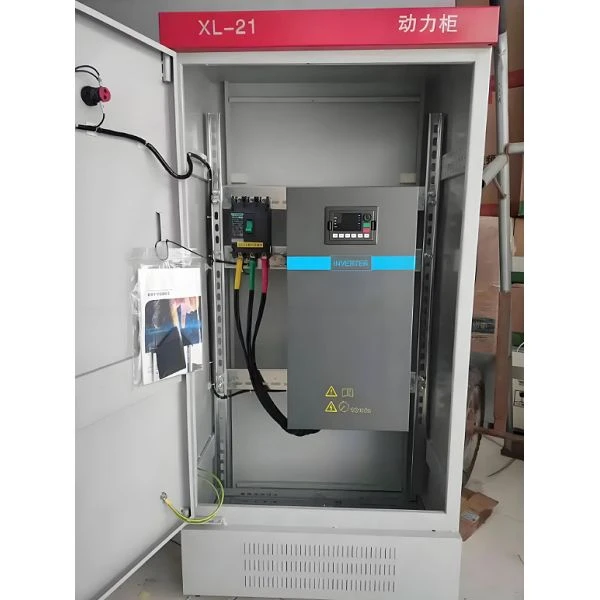
Hey there! As a supplier of Electrical Control Cabinets, I often get asked about the best cleaning agents to use for these crucial pieces of equipment. Electrical control cabinets are the nerve centers of many industrial and commercial operations, housing sensitive electrical components that need to be kept clean and in good working order. In this blog post, I'll share some insights on the cleaning agents that can be safely and effectively used for electrical control cabinets.
Why Cleaning is Important
Before we dive into the cleaning agents, let's quickly talk about why cleaning electrical control cabinets is so important. Over time, dust, dirt, and other contaminants can accumulate inside the cabinet. This buildup can cause several problems, such as overheating, short circuits, and reduced component lifespan. By regularly cleaning the control cabinet, you can prevent these issues and ensure the reliable operation of your electrical systems.
Types of Electrical Control Cabinets
There are different types of electrical control cabinets, each with its own unique features and requirements. For example, the Pneumatic Control Cabinet is designed to control pneumatic systems, while the Motor Control Cabinet (MCC) is used to manage electric motors. The Industrial Control Cabinet is a more general-purpose cabinet used in various industrial applications. Regardless of the type, proper cleaning is essential for all of them.
Safe Cleaning Agents
Compressed Air
Compressed air is one of the safest and most commonly used cleaning agents for electrical control cabinets. It's great for blowing away loose dust and debris from the surfaces of components. You can use a compressed air canister or an air compressor with a regulated pressure. Just make sure to keep the air pressure low enough not to damage any delicate components. When using compressed air, start from the top of the cabinet and work your way down, blowing the dust out of the cabinet.

Isopropyl Alcohol
Isopropyl alcohol, also known as rubbing alcohol, is another excellent cleaning agent. It's a solvent that can dissolve grease, oil, and other stubborn contaminants. You can use it to clean the surfaces of components, such as circuit boards and switches. To use isopropyl alcohol, soak a lint-free cloth or cotton swab in the alcohol and gently wipe the dirty areas. Make sure to let the components dry completely before powering on the cabinet.
Deionized Water
Deionized water is water that has had its ions removed, making it a very pure form of water. It's safe to use on electrical components because it doesn't conduct electricity as well as regular tap water. You can use deionized water to clean the exterior of the cabinet and some non-sensitive interior components. However, be careful not to get too much water inside the cabinet, as it can still cause damage if it gets into the wrong places.
Specialized Electrical Contact Cleaners
There are also specialized electrical contact cleaners available on the market. These cleaners are designed specifically to clean electrical contacts, such as relays and connectors. They can remove oxidation and other contaminants that can cause poor electrical conductivity. When using an electrical contact cleaner, follow the manufacturer's instructions carefully. Usually, you spray the cleaner onto the contact and then operate the contact a few times to distribute the cleaner evenly.
Cleaning Precautions
When cleaning electrical control cabinets, it's important to take some precautions to ensure your safety and the safety of the equipment. Here are some tips:
- Power Off: Always turn off the power to the cabinet before cleaning. This will prevent the risk of electric shock and damage to the components.
- Use the Right Tools: Use only non-conductive tools, such as plastic or wooden sticks, to avoid short circuits.
- Avoid Overspray: When using cleaning agents, make sure not to overspray and get them on areas where they're not needed.
- Ventilation: Work in a well-ventilated area, especially when using solvents like isopropyl alcohol, to avoid inhaling harmful fumes.
Frequency of Cleaning
The frequency of cleaning your electrical control cabinet depends on several factors, such as the environment in which the cabinet is located and the level of dust and contaminants. In a clean environment, you may only need to clean the cabinet once or twice a year. However, in a dusty or dirty environment, you may need to clean it more frequently, perhaps every few months.
Conclusion
Keeping your electrical control cabinet clean is essential for its proper operation and longevity. By using the right cleaning agents, such as compressed air, isopropyl alcohol, deionized water, and specialized electrical contact cleaners, and following the proper cleaning precautions, you can ensure that your cabinet stays in top condition.
If you're in the market for high-quality electrical control cabinets or have any questions about cleaning and maintenance, feel free to reach out to us. We're here to help you with all your electrical control cabinet needs. Let's work together to keep your electrical systems running smoothly!
References
- Electrical Equipment Maintenance Handbook
- Industrial Electrical Safety Guidelines