

What is the air circulation design in a floor - mounted control cabinet?
As a supplier of floor - mounted control cabinets, I understand the critical role that air circulation design plays in the performance and longevity of these essential industrial components. In this blog post, I'll delve into the concept of air circulation design in floor - mounted control cabinets, its importance, and the key elements that contribute to an effective design.
Why is Air Circulation Design Important?
Floor - mounted control cabinets house a variety of electrical and electronic components, such as circuit breakers, relays, and programmable logic controllers (PLCs). These components generate heat during operation, and if this heat is not effectively removed, it can lead to several problems.
Excessive heat can cause components to overheat, which can reduce their lifespan and lead to premature failure. It can also cause electrical resistance to increase, leading to energy inefficiencies and potential malfunctions. In addition, high temperatures can create a hazardous environment for maintenance personnel, increasing the risk of burns and other injuries.
Proper air circulation design helps to maintain a stable temperature inside the control cabinet, preventing overheating and ensuring the reliable operation of the components. It also helps to remove dust, moisture, and other contaminants from the air inside the cabinet, which can further protect the components from damage.
Key Elements of Air Circulation Design
Inlet and Outlet Vents
The first and most fundamental element of air circulation design is the placement and sizing of inlet and outlet vents. Inlet vents are used to allow fresh, cool air to enter the cabinet, while outlet vents are used to expel hot, stale air.
The location of the inlet vents is typically at the bottom of the cabinet, as cool air tends to settle at lower levels. The outlet vents are usually placed at the top of the cabinet, as hot air rises. This natural convection process helps to create a continuous flow of air through the cabinet.
The size of the vents is also crucial. If the vents are too small, the airflow will be restricted, reducing the effectiveness of the cooling system. On the other hand, if the vents are too large, it can allow dust and other contaminants to enter the cabinet more easily. A proper balance must be struck to ensure optimal airflow and protection for the components.
Fans
In many cases, natural convection alone is not sufficient to provide adequate air circulation. In such situations, fans are used to enhance the airflow. There are two main types of fans used in control cabinets: intake fans and exhaust fans.
Intake fans are installed at the inlet vents to draw fresh air into the cabinet. They help to increase the volume of air entering the cabinet and can be used to overcome any resistance caused by filters or other obstructions. Exhaust fans are installed at the outlet vents to expel hot air from the cabinet more efficiently.
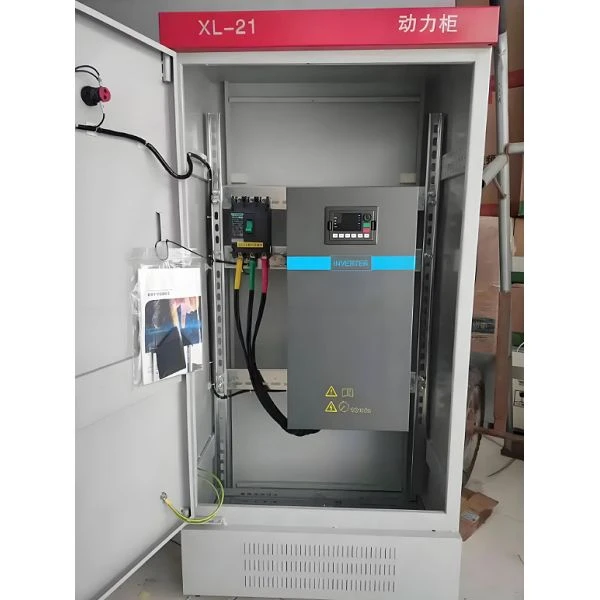

The selection of fans depends on several factors, including the size of the cabinet, the heat load generated by the components, and the desired airflow rate. It is important to choose fans that are rated for the appropriate airflow and pressure requirements to ensure effective cooling.
Air Ducts
Air ducts can be used to direct the airflow more precisely within the control cabinet. They can be used to channel air to specific components that generate a large amount of heat, ensuring that they receive sufficient cooling.
Air ducts are typically made of sheet metal or plastic and can be custom - designed to fit the specific layout of the cabinet. They can also be used to isolate different areas of the cabinet, preventing the mixing of hot and cold air.
Filters
To protect the components inside the cabinet from dust, dirt, and other contaminants, filters are often installed at the inlet vents. Filters can be made of various materials, such as mesh, paper, or foam, and can be designed to remove particles of different sizes.
The choice of filter depends on the environment in which the cabinet is located. In a clean industrial environment, a simple mesh filter may be sufficient. However, in a dusty or dirty environment, a more advanced filter, such as a high - efficiency particulate air (HEPA) filter, may be required.
Real - World Applications
The principles of air circulation design are applied in various types of floor - mounted control cabinets, including Industrial Electrical Cabinet, Motor Control Cabinet (MCC), and Industrial Control Cabinet.
In an industrial electrical cabinet, which may house a large number of electrical components, proper air circulation is essential to prevent overheating and ensure the safe and reliable operation of the electrical system. The air circulation design helps to maintain the temperature within the acceptable range for the components, reducing the risk of electrical failures and downtime.
A motor control cabinet (MCC) is used to control and protect electric motors. Motors can generate a significant amount of heat, especially during high - load operation. The air circulation design in an MCC helps to dissipate this heat, preventing damage to the motor control components and ensuring the efficient operation of the motors.
Industrial control cabinets are used to house control systems, such as PLCs and human - machine interfaces (HMIs). These components are sensitive to temperature and humidity, and proper air circulation is necessary to maintain their performance and reliability.
Contact for Purchase and Discussion
If you are in the market for a floor - mounted control cabinet with excellent air circulation design, I encourage you to reach out. Our team of experts has extensive experience in designing and manufacturing control cabinets that meet the highest standards of quality and performance. We can work with you to understand your specific requirements and provide a customized solution that fits your needs. Whether you need an Industrial Electrical Cabinet, a Motor Control Cabinet (MCC), or an Industrial Control Cabinet, we are here to assist you.
References
- Tekippe, R. (2017). Cooling Methods for Control Cabinets. Plant Engineering.
- Hinrichsen, J. (2018). Proper Ventilation and Cooling of Electrical Cabinets. Electrical Apparatus.
- Schneider Electric. (2019). Technical Guide: Cabinet Cooling Solutions.