

As a supplier of PLC control cabinets, understanding the optimal temperature range for their normal operation is crucial. PLC (Programmable Logic Controller) control cabinets house sensitive electronic components that are highly susceptible to temperature variations. In this blog, we will delve into the temperature range required for PLC control cabinets to function properly and the implications of deviating from this range.
The Ideal Temperature Range for PLC Control Cabinets
The normal operating temperature range for most PLC control cabinets typically falls between 0°C and 55°C (32°F and 131°F). This range is carefully determined based on the characteristics of the electronic components within the cabinet. For instance, the integrated circuits, resistors, and capacitors that make up the PLC system have specific temperature limits beyond which their performance can degrade.
At lower temperatures, the chemical reactions within the electronic components slow down. While this might not seem like a significant issue at first glance, it can lead to problems such as increased resistance in the circuits. This increased resistance can cause voltage drops, which in turn can affect the accuracy of the signals being processed by the PLC. For example, in an industrial setting where precise control of machinery is required, even a small voltage drop can lead to errors in the operation of the equipment.
On the other hand, high temperatures can be even more detrimental. As the temperature rises above the recommended range, the components start to overheat. This can cause thermal stress, which can lead to physical damage to the components over time. For example, the solder joints that hold the components in place can start to melt, causing the connections to fail. Additionally, the increased temperature can also accelerate the aging process of the components, reducing their lifespan significantly.
Factors Affecting the Temperature Inside the PLC Control Cabinet
Several factors can influence the temperature inside a PLC control cabinet. One of the primary factors is the heat generated by the components themselves. PLCs, along with other electronic devices such as power supplies and relays, produce heat during operation. The amount of heat generated depends on the power consumption of these devices. For example, a high-power PLC with multiple input/output modules will generate more heat than a smaller, less powerful one.
The ambient temperature of the environment where the control cabinet is installed also plays a significant role. If the cabinet is placed in a hot industrial environment, such as near a furnace or in a poorly ventilated area, the temperature inside the cabinet will be higher. Similarly, in cold climates, the low ambient temperature can pose challenges to the proper functioning of the cabinet.
The ventilation and cooling systems of the control cabinet are another important factor. Adequate ventilation helps to remove the heat generated by the components and maintain a stable temperature inside the cabinet. Most PLC control cabinets are equipped with fans or air conditioners to assist with cooling. However, if these systems are not properly maintained or if they are not designed to handle the heat load, the temperature inside the cabinet can rise above the normal operating range.
Consequences of Operating Outside the Normal Temperature Range
Operating a PLC control cabinet outside its normal temperature range can have several negative consequences. As mentioned earlier, the performance of the electronic components can degrade, leading to errors in the operation of the control system. This can result in production downtime, as the machinery controlled by the PLC may malfunction or shut down unexpectedly.
In addition to performance issues, operating at extreme temperatures can also increase the risk of component failure. Components that are exposed to high temperatures for extended periods are more likely to develop faults, which can lead to costly repairs or replacements. Moreover, the reliability of the entire control system can be compromised, which can have serious implications for the safety and efficiency of the industrial process.
Maintaining the Optimal Temperature
To ensure that the PLC control cabinet operates within the normal temperature range, several measures can be taken. First and foremost, proper ventilation and cooling systems should be installed and maintained regularly. This includes cleaning the fans and air filters to ensure that they are functioning properly. Additionally, the cabinet should be installed in a location with a suitable ambient temperature and adequate airflow.
Monitoring the temperature inside the cabinet is also essential. Temperature sensors can be installed to provide real-time data on the temperature. This data can be used to trigger alarms if the temperature approaches or exceeds the normal operating range, allowing for timely intervention to prevent damage to the components.
Related Products and Their Temperature Considerations
In addition to PLC control cabinets, other types of control cabinets such as Motor Control Cabinet (MCC), Industrial Control Cabinet, and Electrical Control Cabinet also have specific temperature requirements.
Motor control cabinets, for example, are used to control and protect electric motors. The components inside these cabinets, such as contactors, overload relays, and circuit breakers, generate heat during operation. Similar to PLC control cabinets, they also require a temperature range between 0°C and 55°C to operate normally.
Industrial control cabinets are designed to house a variety of control and monitoring equipment for industrial processes. They often contain a combination of PLCs, human-machine interfaces (HMIs), and other electronic devices. Maintaining the proper temperature in these cabinets is crucial for the reliable operation of the entire industrial system.
Electrical control cabinets are used to distribute and control electrical power. They typically contain circuit breakers, fuses, and other electrical components that can be affected by temperature variations. Ensuring that these cabinets operate within the recommended temperature range helps to prevent electrical faults and ensure the safety of the electrical system.
Conclusion
In conclusion, the temperature range for a PLC control cabinet to operate normally is between 0°C and 55°C. Maintaining this temperature range is essential for the proper functioning and longevity of the electronic components inside the cabinet. By understanding the factors that affect the temperature inside the cabinet and taking appropriate measures to control it, such as proper ventilation, cooling, and temperature monitoring, the reliability and performance of the PLC control system can be significantly improved.
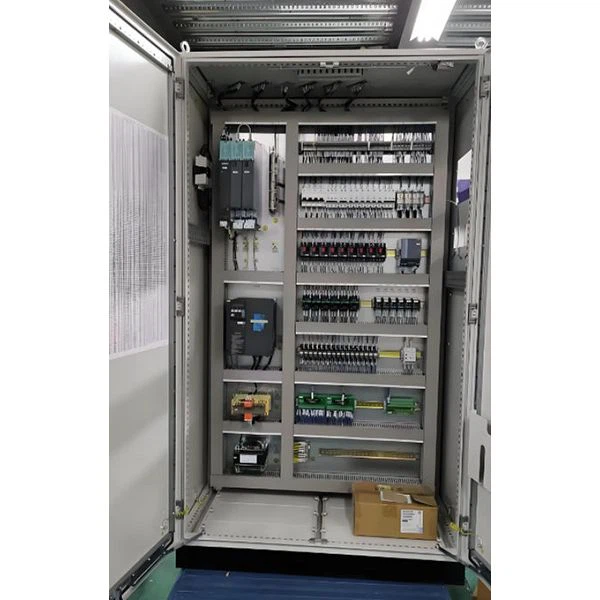
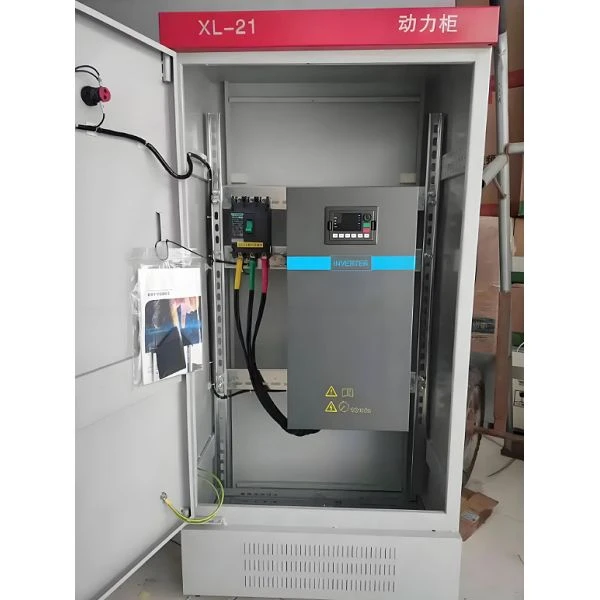
If you are in the market for high-quality PLC control cabinets or other related control cabinet products, we invite you to contact us for procurement and further discussions. Our team of experts is dedicated to providing you with the best solutions tailored to your specific needs.
References
- "Industrial Automation Handbook" by John Doe
- "PLC Programming and Applications" by Jane Smith
- Technical documentation from leading PLC and control cabinet manufacturers