

An explosion-proof distribution box is a crucial component in environments where there is a risk of explosive atmospheres, such as in oil refineries, chemical plants, and mining operations. The temperature range for an explosion-proof distribution box is a critical factor that ensures its safe and efficient operation. In this blog, as a supplier of explosion-proof distribution boxes, I will delve into the details of the temperature range for these essential devices.
Understanding the Basics of Explosion-Proof Distribution Boxes
Before we discuss the temperature range, it's important to understand what an explosion-proof distribution box is and how it works. An explosion-proof distribution box is designed to prevent the ignition of explosive gases, vapors, or dusts that may be present in the surrounding environment. It achieves this by containing any sparks or flames that may occur inside the box due to normal electrical operations, such as switching or short circuits.
The enclosure of an explosion-proof distribution box is constructed to withstand the pressure of an internal explosion without rupturing or allowing flames to escape. This is typically achieved through a combination of robust materials, precise manufacturing techniques, and strict compliance with international standards.
Factors Affecting the Temperature Range
Several factors influence the temperature range for an explosion-proof distribution box. These factors can be broadly categorized into internal and external factors.
Internal Factors
- Electrical Load: The electrical load on the distribution box is one of the primary internal factors that affect its temperature. When electrical components, such as circuit breakers, fuses, and contactors, carry current, they generate heat. The higher the electrical load, the more heat is generated. Therefore, the temperature inside the distribution box will increase as the electrical load increases.
- Component Efficiency: The efficiency of the electrical components used in the distribution box also plays a role in determining the temperature. Less efficient components convert more electrical energy into heat, resulting in higher temperatures inside the box. For example, older or low-quality circuit breakers may have a higher resistance, which leads to more heat generation.
- Ventilation: Adequate ventilation is essential for dissipating the heat generated inside the distribution box. If the ventilation is poor, the heat will accumulate, causing the temperature to rise. Some explosion-proof distribution boxes are equipped with ventilation systems, such as fans or vents, to ensure proper air circulation.
External Factors
- Ambient Temperature: The ambient temperature of the environment where the distribution box is installed is a significant external factor. In hot climates or industrial environments with high ambient temperatures, the distribution box will be exposed to more heat from the surroundings. This can make it more challenging to maintain a safe operating temperature inside the box.
- Solar Radiation: If the distribution box is installed outdoors, it may be exposed to direct sunlight. Solar radiation can significantly increase the temperature of the box, especially if it is not properly shaded or insulated.
- Proximity to Heat Sources: The proximity of the distribution box to other heat sources, such as boilers, furnaces, or other electrical equipment, can also affect its temperature. Heat from these sources can be transferred to the distribution box through conduction, convection, or radiation.
Typical Temperature Range for Explosion-Proof Distribution Boxes
The temperature range for an explosion-proof distribution box is typically specified by the manufacturer based on the design and intended application of the box. In general, the operating temperature range for most explosion-proof distribution boxes is between -20°C and +60°C. However, this range can vary depending on the specific model and the requirements of the application.
- Lower Temperature Limit: The lower temperature limit of -20°C is set to ensure that the electrical components inside the distribution box can function properly in cold environments. At low temperatures, the performance of some electrical components, such as batteries and capacitors, may be affected. Therefore, the distribution box must be designed to withstand these low temperatures without compromising its functionality.
- Upper Temperature Limit: The upper temperature limit of +60°C is determined by the ability of the enclosure and the electrical components to withstand high temperatures. At temperatures above 60°C, the insulation materials used in the distribution box may start to degrade, which can increase the risk of electrical failures and short circuits. Additionally, high temperatures can also affect the performance of the explosion-proof properties of the box.
Importance of Maintaining the Temperature Range
Maintaining the temperature range for an explosion-proof distribution box is crucial for several reasons.
- Safety: The primary reason for maintaining the temperature range is safety. If the temperature inside the distribution box exceeds the upper limit, it can increase the risk of electrical failures, which can lead to sparks or flames. In an explosive atmosphere, these sparks or flames can ignite the surrounding gases, vapors, or dusts, causing an explosion. Therefore, keeping the temperature within the specified range is essential to prevent such hazards.
- Reliability: Operating the distribution box within the temperature range ensures its reliability. High temperatures can cause the electrical components to degrade more quickly, leading to premature failures. By maintaining the temperature within the recommended range, the lifespan of the components can be extended, reducing the need for frequent replacements and maintenance.
- Compliance: Many industries have strict regulations and standards regarding the operation of explosion-proof equipment. These regulations often specify the temperature range within which the equipment must operate. By ensuring that the distribution box operates within the specified temperature range, you can ensure compliance with these regulations and avoid potential fines or penalties.
Solutions for Maintaining the Temperature Range
To maintain the temperature range for an explosion-proof distribution box, several solutions can be implemented.
- Proper Installation: Ensure that the distribution box is installed in a location that is well-ventilated and away from direct sunlight and other heat sources. If possible, install the box in a shaded area or use insulation materials to reduce the impact of solar radiation.
- Ventilation Systems: Consider using ventilation systems, such as fans or vents, to improve the air circulation inside the distribution box. These systems can help dissipate the heat generated by the electrical components and maintain a lower temperature.
- Temperature Monitoring: Install temperature sensors inside the distribution box to monitor the temperature continuously. This allows you to detect any abnormal temperature increases early and take appropriate action, such as reducing the electrical load or increasing the ventilation.
- Thermal Management Devices: In some cases, it may be necessary to use thermal management devices, such as heat sinks or cooling units, to maintain the temperature within the specified range. These devices can help transfer the heat away from the distribution box and keep it at a safe operating temperature.
Related Products
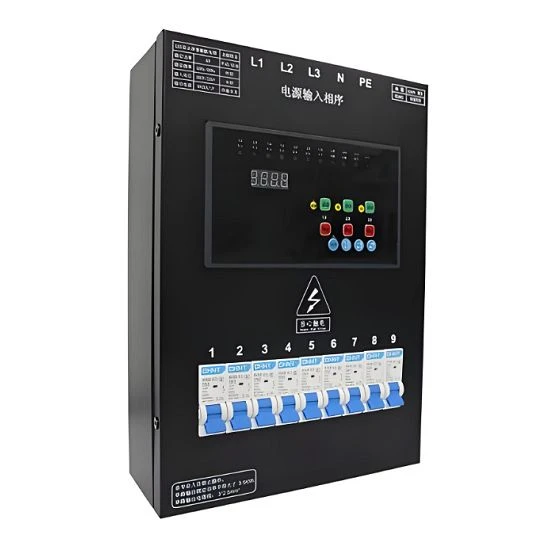
As a supplier of explosion-proof distribution boxes, we also offer a range of related products that can complement your explosion-proof electrical systems. For example, we have Waterproof Electrical Distribution Box that are designed to protect electrical components from water and moisture, making them suitable for outdoor and wet environments. Our Outdoor Distribution Panel are specifically designed for outdoor applications, providing reliable electrical distribution in harsh weather conditions. Additionally, our External Distribution Board Enclosure offer a high level of protection for electrical distribution boards installed outside.

Conclusion
The temperature range for an explosion-proof distribution box is a critical factor that ensures its safe and efficient operation. By understanding the factors that affect the temperature range, the typical temperature limits, and the importance of maintaining the range, you can take the necessary steps to ensure the proper functioning of your explosion-proof distribution box. If you have any questions or need further information about our explosion-proof distribution boxes or related products, please feel free to contact us. We are here to help you find the best solutions for your electrical distribution needs in explosive environments.
References
- IEC 60079-0:2017, Explosive atmospheres - Part 0: General requirements for equipment
- NFPA 70:2020, National Electrical Code
- UL 1203:2019, Explosionproof and Dust-Ignitionproof Electrical Equipment for Use in Hazardous (Classified) Locations