

As a seasoned supplier of Outdoor Distribution Panels, I've witnessed firsthand the diverse needs and applications across various industries. Outdoor distribution panels are crucial components in electrical systems, designed to safely and efficiently distribute power in outdoor environments. In this blog, I'll explore the different types of circuits that can be installed in an outdoor distribution panel, providing insights into their functions, applications, and considerations.
1. Lighting Circuits
Lighting circuits are among the most common types installed in outdoor distribution panels. They are responsible for powering exterior lights, such as streetlights, parking lot lights, landscape lights, and security lights. These circuits typically operate at a lower voltage, usually 120V or 277V in North America, and are designed to handle the specific electrical load requirements of lighting fixtures.
- Single - Pole Lighting Circuits: These are the simplest type of lighting circuits. They use a single - pole switch to control the flow of electricity to the lights. Single - pole lighting circuits are commonly used for small - scale outdoor lighting installations, such as a few landscape lights in a residential backyard.
- Multi - Way Lighting Circuits: For larger outdoor areas or more complex lighting control requirements, multi - way lighting circuits are employed. These circuits allow lights to be controlled from multiple locations, providing greater flexibility. For example, in a large commercial parking lot, multi - way circuits can be used to control the lights from different entrances or security stations.
When installing lighting circuits in an outdoor distribution panel, it's important to consider factors such as the type of lighting fixtures (LED, halogen, etc.), the number of fixtures, and the required illumination levels. Additionally, proper grounding and protection against environmental factors, such as moisture and lightning, are essential to ensure the safety and reliability of the lighting system.
2. Power Outlet Circuits
Power outlet circuits in outdoor distribution panels provide electrical power for various outdoor equipment and appliances. These can include electric lawn mowers, garden tools, outdoor heaters, and even mobile charging stations.
- 120V Outlet Circuits: In residential and some commercial outdoor settings, 120V outlet circuits are commonly used. They are suitable for powering small - to medium - sized electrical devices. For example, a homeowner might use a 120V outlet to power a string of Christmas lights or a small electric blower.
- 240V Outlet Circuits: For larger outdoor equipment, such as electric welders or high - powered air compressors, 240V outlet circuits are required. These circuits can deliver more power and are typically used in industrial or commercial outdoor applications.
When installing power outlet circuits, it's crucial to ensure that the circuits are properly rated for the expected electrical load. Overloading a circuit can lead to overheating, electrical fires, and damage to the equipment. Additionally, outdoor outlets should be equipped with Ground Fault Circuit Interrupters (GFCIs) to protect against electrical shock.
3. HVAC Circuits
Heating, Ventilation, and Air Conditioning (HVAC) systems are often installed in outdoor environments, especially in commercial and industrial buildings. Outdoor distribution panels can house the circuits required to power these systems.
- Air Conditioner Circuits: Air conditioners, whether they are split - system units or packaged rooftop units, require dedicated circuits. These circuits must be sized appropriately to handle the high starting and running currents of the air conditioning compressors. For example, a large commercial rooftop air conditioner might require a 480V, three - phase circuit.
- Heating Circuits: Outdoor heating systems, such as electric heaters for large outdoor spaces or heat pumps, also need specific circuits. These circuits must be designed to provide the necessary power for the heating elements while ensuring safe operation.
When dealing with HVAC circuits in an outdoor distribution panel, it's important to work closely with HVAC contractors to ensure that the electrical system is compatible with the HVAC equipment. Proper sizing of conductors, overcurrent protection, and control wiring are all critical aspects of a successful installation.
4. Motor Circuits
Many outdoor applications involve the use of motors, such as those in pumps, fans, and conveyor systems. Motor circuits in outdoor distribution panels are designed to provide the necessary power and control for these motors.

- Single - Phase Motor Circuits: Single - phase motors are commonly used in small - scale outdoor applications, such as residential water pumps or small fans. These circuits typically operate at 120V or 240V and require appropriate motor starters and overload protection.
- Three - Phase Motor Circuits: For larger industrial outdoor motors, three - phase circuits are used. Three - phase power provides more efficient and reliable operation for high - power motors. These circuits require more complex control and protection devices, such as motor contactors, overload relays, and short - circuit protection.
When installing motor circuits, it's essential to consider the motor's horsepower rating, starting current, and duty cycle. Incorrectly sized circuits can lead to motor damage, reduced efficiency, and safety hazards.
5. Metering Circuits
Metering circuits are used to measure the electrical consumption of different loads in an outdoor distribution panel. They are often required for billing purposes, energy management, and compliance with regulatory requirements.
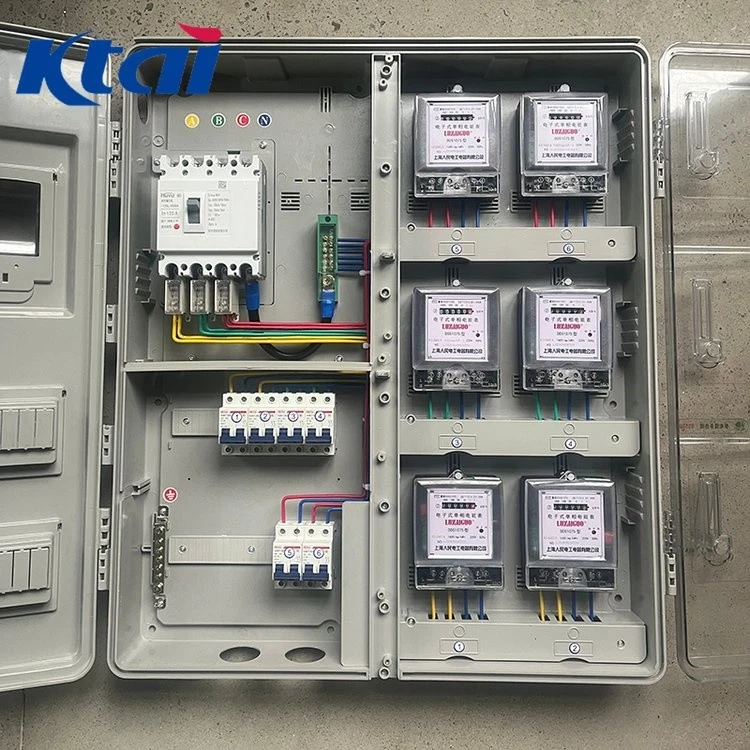
- Revenue Metering Circuits: These circuits are used to accurately measure the amount of electricity consumed by a customer. Revenue metering is typically required by utility companies for commercial and industrial customers. The Metering Distribution Box is an important component in revenue metering circuits, providing a secure and accurate way to measure electrical usage.
- Sub - Metering Circuits: In some cases, sub - metering circuits are installed to measure the electrical consumption of specific loads or areas within a larger facility. For example, a commercial building owner might install sub - metering circuits to monitor the energy usage of different tenants or departments.
Metering circuits must be installed and calibrated correctly to ensure accurate measurement. They also require proper protection against electrical interference and environmental factors.
Considerations for Circuit Installation in Outdoor Distribution Panels
- Environmental Protection: Outdoor distribution panels are exposed to a variety of environmental conditions, including moisture, dust, temperature extremes, and UV radiation. Therefore, it's crucial to choose a suitable External Distribution Board Enclosure that provides adequate protection for the circuits. Enclosures should be rated for the specific outdoor environment, such as NEMA 3R or IP65, to prevent water ingress and dust accumulation.
- Overcurrent Protection: Each circuit in an outdoor distribution panel must be protected against overcurrent conditions, such as short - circuits and overloads. Circuit breakers or fuses are commonly used for overcurrent protection. The rating of the overcurrent protection device should be carefully selected based on the circuit's load requirements.
- Grounding and Bonding: Proper grounding and bonding are essential for the safety of the electrical system. All electrical equipment and conductors in the outdoor distribution panel should be connected to a reliable grounding system to prevent electrical shock and reduce the risk of lightning damage.
- Cable Management: Effective cable management is important to ensure the reliability and safety of the circuits. Cables should be properly routed, secured, and labeled to prevent damage and facilitate maintenance.
Conclusion
As an Outdoor Distribution Panel supplier, I understand the importance of providing high - quality products and solutions that meet the diverse needs of our customers. The types of circuits installed in an outdoor distribution panel can vary widely depending on the application, and each type requires careful consideration and proper installation. Whether it's lighting circuits, power outlet circuits, HVAC circuits, motor circuits, or metering circuits, we are committed to helping our customers design and implement safe and efficient electrical systems.
If you're in the market for an Outdoor Power Distribution Panel or have questions about circuit installation in outdoor environments, I encourage you to reach out to us. Our team of experts is ready to assist you with your specific requirements and guide you through the process of selecting and installing the right outdoor distribution panel for your project.
References
- National Electrical Code (NEC)
- IEEE Standards for Electrical Installations
- Manufacturer's Documentation for Electrical Equipment