

As a control cabinet supplier, I understand the significance of power consumption management in control cabinets. Effective power consumption management not only helps reduce operational costs but also contributes to environmental sustainability. In this blog, I will share some practical strategies and tips on how to manage the power consumption of a control cabinet.
Understanding the Power Consumption of Control Cabinets
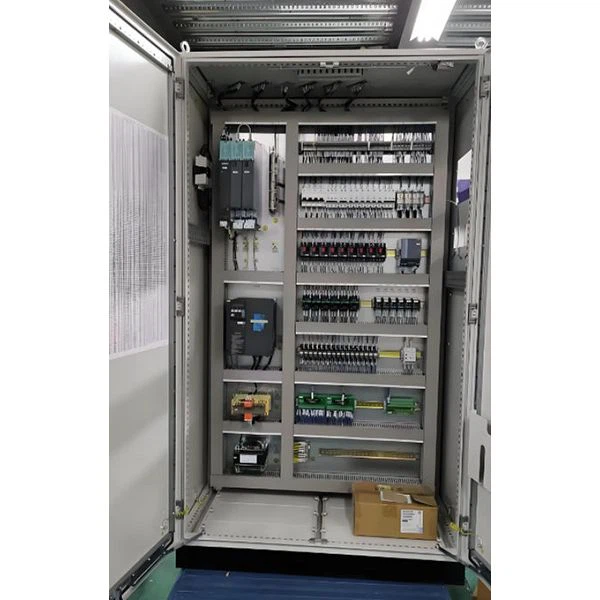
Before delving into power consumption management, it is essential to understand the factors that contribute to the power consumption of control cabinets. Control cabinets typically house various electrical components, such as Electrical Control Cabinet, PLC Control Cabinet, and Power Control Cabinet. These components consume power during operation, and the total power consumption depends on several factors, including:
- Component Selection: The type and specifications of the electrical components used in the control cabinet significantly impact power consumption. High-efficiency components generally consume less power than their less efficient counterparts.
- Load Requirements: The power requirements of the connected equipment or systems determine the amount of power the control cabinet needs to supply. Understanding the load requirements is crucial for sizing the control cabinet and its components appropriately.
- Operating Conditions: The operating environment, such as temperature, humidity, and ventilation, can affect the power consumption of control cabinets. Extreme temperatures or poor ventilation can increase power consumption due to the need for additional cooling or heating.
- Control Strategies: The control strategies employed in the control cabinet, such as manual or automated control, can also influence power consumption. Optimizing control strategies can help reduce unnecessary power consumption.
Strategies for Managing Power Consumption
Based on the above factors, here are some strategies for managing the power consumption of a control cabinet:
1. Component Selection
- Choose Energy-Efficient Components: When selecting electrical components for the control cabinet, opt for energy-efficient models. Look for components with high energy efficiency ratings, such as motors, drives, and power supplies. Energy-efficient components not only consume less power but also generate less heat, reducing the need for cooling.
- Right-Size Components: Ensure that the components in the control cabinet are appropriately sized for the load requirements. Oversized components can consume more power than necessary, while undersized components may not be able to meet the load demands, leading to inefficiencies and potential equipment failures.
- Use Power Management Features: Many modern electrical components come with built-in power management features, such as sleep modes, standby modes, and power-saving algorithms. Take advantage of these features to reduce power consumption during periods of low activity.
2. Load Management
- Implement Load Shedding: Load shedding is a technique used to reduce power consumption by temporarily disconnecting non-essential loads during peak demand periods. By implementing load shedding strategies, you can prioritize critical loads and reduce overall power consumption.
- Optimize Load Distribution: Distribute the loads evenly across the control cabinet to avoid overloading any single component or circuit. Uneven load distribution can lead to inefficiencies and increased power consumption.
- Monitor and Control Loads: Use monitoring and control systems to track the power consumption of individual loads and adjust their operation as needed. This can help identify and eliminate any unnecessary or inefficient loads.
3. Operating Conditions
- Maintain Optimal Temperature and Humidity: Keep the control cabinet in a well-ventilated area with optimal temperature and humidity levels. High temperatures can increase power consumption due to the need for additional cooling, while low temperatures can affect the performance of electrical components.
- Improve Ventilation: Ensure that the control cabinet has adequate ventilation to dissipate heat effectively. Proper ventilation can reduce the temperature inside the control cabinet, improving the efficiency of the components and reducing power consumption.
- Use Insulation: Insulate the control cabinet to minimize heat transfer between the inside and outside of the cabinet. Insulation can help maintain a stable temperature inside the cabinet, reducing the need for heating or cooling.
4. Control Strategies
- Implement Automated Control: Automated control systems can optimize the operation of the control cabinet based on real-time data and predefined parameters. By automating the control of loads, lighting, and other functions, you can reduce power consumption and improve overall efficiency.
- Use Smart Sensors: Install smart sensors in the control cabinet to monitor various parameters, such as temperature, humidity, and power consumption. Smart sensors can provide real-time data that can be used to optimize the operation of the control cabinet and identify potential issues before they become serious problems.
- Optimize Control Logic: Review and optimize the control logic of the control cabinet to eliminate unnecessary operations and reduce power consumption. This may involve adjusting setpoints, implementing time-based controls, or using advanced control algorithms.
Monitoring and Analysis
In addition to implementing the above strategies, it is essential to monitor and analyze the power consumption of the control cabinet regularly. Monitoring and analysis can help identify trends, detect inefficiencies, and evaluate the effectiveness of the power consumption management strategies. Here are some tips for monitoring and analysis:
- Install Power Monitoring Devices: Install power monitoring devices, such as energy meters or power analyzers, in the control cabinet to measure and record the power consumption. Power monitoring devices can provide detailed information about the power consumption of individual components, circuits, or the entire control cabinet.
- Collect and Analyze Data: Collect and analyze the power consumption data regularly to identify trends and patterns. Look for any significant changes in power consumption over time or under different operating conditions. Analyzing the data can help you identify areas for improvement and make informed decisions about power consumption management.
- Benchmark Performance: Compare the power consumption of the control cabinet against industry benchmarks or similar installations. Benchmarking can help you determine how well your control cabinet is performing and identify opportunities for further optimization.
Conclusion
Managing the power consumption of a control cabinet is a critical aspect of ensuring efficient and cost-effective operation. By understanding the factors that contribute to power consumption, implementing appropriate strategies, and monitoring and analyzing the power consumption regularly, you can reduce power consumption, lower operational costs, and contribute to environmental sustainability.
If you are interested in learning more about power consumption management for control cabinets or need assistance with selecting the right control cabinet for your application, please feel free to contact us. We are a leading control cabinet supplier with extensive experience in providing energy-efficient solutions. Our team of experts can help you design and implement a control cabinet that meets your specific requirements while minimizing power consumption.

References
- DOE. (n.d.). Energy Efficiency and Renewable Energy. Retrieved from https://www.energy.gov/eere/
- IEEE. (n.d.). IEEE Standards Association. Retrieved from https://ieeexplore.ieee.org/
- IEC. (n.d.). International Electrotechnical Commission. Retrieved from https://www.iec.ch/