

Hey there! As a supplier of External Distribution Boards, I've seen firsthand how crucial it is to protect these vital components from lightning strikes. Lightning can cause significant damage to electrical systems, leading to costly repairs and downtime. In this blog post, I'll share some practical tips on how to safeguard your External Distribution Board from lightning.
Understanding the Risks
First off, let's talk about why lightning poses such a threat to External Distribution Boards. When a lightning bolt hits the ground or a nearby object, it releases a massive amount of electrical energy. This energy can travel through power lines, communication cables, and even the ground itself, reaching your distribution board.
Once the lightning energy reaches the board, it can cause a variety of problems. It can damage the internal components, such as circuit breakers, fuses, and relays. It can also cause power surges, which can fry sensitive electronic devices connected to the board. In severe cases, lightning strikes can even start fires or cause explosions.
Choosing the Right Location
One of the most important steps in protecting your External Distribution Board from lightning is choosing the right location for it. Ideally, the board should be installed in a well-protected area, away from tall trees, poles, and other objects that could attract lightning. It should also be placed at least 10 feet away from any building or structure.
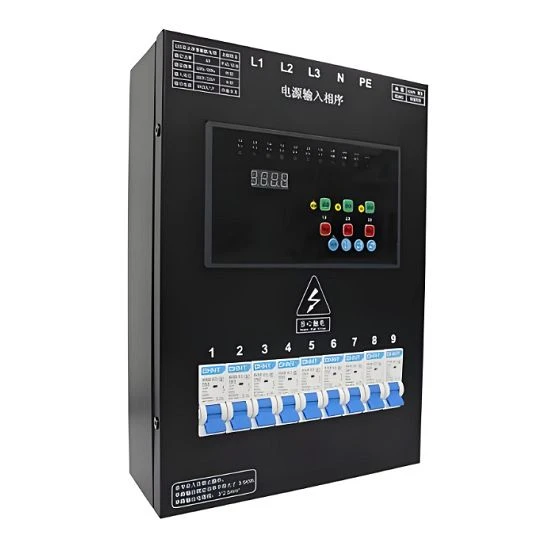
If possible, the board should be installed in a metal enclosure. Metal enclosures can act as a Faraday cage, which means they can protect the internal components from lightning strikes by redirecting the electrical energy around the enclosure. You can check out our External Distribution Board Enclosure for a reliable option.
Installing Lightning Protection Devices
Another key step in protecting your External Distribution Board from lightning is installing lightning protection devices. There are several types of lightning protection devices available, including surge protectors, lightning rods, and grounding systems.
Surge protectors are devices that are designed to protect electrical equipment from power surges caused by lightning strikes. They work by diverting the excess electrical energy to the ground, preventing it from reaching the equipment. You should install surge protectors at the main electrical panel, as well as at each individual circuit.
Lightning rods are metal rods that are installed on the roof of a building or structure. They work by providing a path of least resistance for the lightning to follow, directing the electrical energy safely to the ground. You should install lightning rods on any tall buildings or structures near your External Distribution Board.
Grounding systems are also essential for protecting your External Distribution Board from lightning. A grounding system consists of a series of metal rods or plates that are buried in the ground. These rods or plates are connected to the electrical system of the building or structure, providing a path for the electrical energy to flow safely to the ground. You should ensure that your External Distribution Board is properly grounded, using a grounding system that meets the relevant electrical codes and standards.

Regular Maintenance and Inspections
Finally, it's important to perform regular maintenance and inspections on your External Distribution Board to ensure that it is in good working condition. You should inspect the board at least once a year, looking for any signs of damage or wear. You should also check the grounding system to make sure it is still functioning properly.
If you notice any problems with your External Distribution Board, such as loose connections, damaged components, or signs of corrosion, you should have them repaired or replaced as soon as possible. Ignoring these problems can increase the risk of lightning damage and other electrical problems.
Conclusion
Protecting your External Distribution Board from lightning is essential for ensuring the safety and reliability of your electrical system. By choosing the right location, installing lightning protection devices, and performing regular maintenance and inspections, you can significantly reduce the risk of lightning damage.
If you're in the market for a high-quality External Distribution Board, we've got you covered. Our External Distribution Board is designed to meet the highest standards of quality and reliability. And if you need an outdoor option, check out our Outdoor Distribution Panel.
If you have any questions or would like to discuss your specific needs, don't hesitate to reach out. We're here to help you make the right choice for your electrical system.
References
- National Fire Protection Association. (2023). NFPA 780: Standard for the Installation of Lightning Protection Systems.
- Institute of Electrical and Electronics Engineers. (2023). IEEE C62.41.2: Recommended Practice on Characterization of Surges in Low-Voltage (1000 V and Less) AC Power Circuits.
- Underwriters Laboratories. (2023). UL 1449: Standard for Surge Protective Devices.