

As a seasoned supplier of Electrical Control Cabinet, I've witnessed firsthand the challenges that excessive noise from these cabinets can pose. Not only can it be a nuisance in a work environment, but it can also indicate underlying issues that may affect the performance and longevity of the equipment inside. In this blog post, I'll share some practical strategies to help reduce the noise generated by an electrical control cabinet.
Understanding the Sources of Noise in Electrical Control Cabinets
Before we delve into the solutions, it's crucial to understand where the noise is coming from. There are several potential sources of noise in an electrical control cabinet:
- Fan Noise: Cooling fans are essential for maintaining the proper temperature inside the cabinet. However, they can also be a significant source of noise, especially if they are dirty, unbalanced, or operating at high speeds.
- Transformer Noise: Transformers can produce a humming sound due to the magnetic fields generated during operation. This noise can be particularly noticeable in large or high-power transformers.
- Relay and Contactor Noise: The mechanical operation of relays and contactors can generate clicking or buzzing sounds, especially when they are switching frequently.
- Vibration Noise: Electrical components such as motors, pumps, and compressors can cause the cabinet to vibrate, which in turn can produce noise. This vibration can be transmitted through the cabinet structure and amplified.
Strategies for Reducing Noise
Now that we understand the sources of noise, let's explore some strategies for reducing it.
1. Optimize Cooling Fan Selection and Placement
- Choose Low-Noise Fans: When selecting cooling fans for your electrical control cabinet, look for models that are specifically designed to operate quietly. These fans often feature advanced blade designs and low-noise motors.
- Proper Fan Placement: Ensure that the fans are placed in a location that allows for efficient airflow without creating excessive turbulence. Avoid placing fans too close to each other or to other components, as this can increase noise levels.
- Regular Maintenance: Keep the fans clean and free of dust and debris. This can help to prevent the buildup of dirt and grime, which can cause the fans to operate less efficiently and produce more noise.
2. Isolate Transformers
- Use Anti-Vibration Mounts: Mount transformers on anti-vibration pads or mounts to reduce the transmission of vibration and noise to the cabinet structure. These mounts can help to absorb the vibrations generated by the transformer and prevent them from being transferred to the surrounding environment.
- Enclose Transformers: Consider enclosing transformers in a separate compartment or enclosure within the cabinet. This can help to isolate the noise generated by the transformer and prevent it from spreading to other parts of the cabinet.
3. Upgrade Relays and Contactors
- Choose Quiet Relays and Contactors: Look for relays and contactors that are specifically designed to operate quietly. These devices often feature advanced designs and materials that reduce the mechanical noise generated during operation.
- Use Solid-State Relays: Solid-state relays (SSRs) are electronic devices that do not have any moving parts. As a result, they operate silently and can be a great alternative to traditional electromechanical relays and contactors in applications where noise is a concern.
4. Reduce Vibration
- Secure Components Properly: Ensure that all electrical components are securely mounted inside the cabinet to prevent them from vibrating. Use vibration-dampening materials such as rubber gaskets or pads to isolate the components from the cabinet structure.
- Balance Rotating Components: If the cabinet contains rotating components such as motors or pumps, make sure they are properly balanced. Unbalanced rotating components can cause excessive vibration and noise.
5. Soundproof the Cabinet
- Use Sound-Absorbing Materials: Line the interior of the cabinet with sound-absorbing materials such as acoustic foam or fiberglass insulation. These materials can help to absorb the sound waves generated inside the cabinet and reduce the noise level that escapes.
- Seal Gaps and Openings: Make sure that all gaps and openings in the cabinet are properly sealed to prevent sound from leaking out. Use gaskets, seals, or caulking to seal any gaps around doors, vents, or cable entries.
Case Study: Reducing Noise in a Signal Controller Cabinet
Let's take a look at a real-world example of how these strategies can be applied to reduce noise in a Signal Controller Cabinet.
A client came to us with a problem of excessive noise in their signal controller cabinets. The noise was causing a nuisance in the control room and was also affecting the performance of nearby equipment. After conducting a thorough inspection of the cabinets, we identified the following sources of noise:
- The cooling fans were operating at high speeds and were making a lot of noise.
- The transformers were producing a humming sound that was audible from outside the cabinet.
- The relays and contactors were clicking and buzzing frequently.
To address these issues, we implemented the following solutions:
- We replaced the existing cooling fans with low-noise models and optimized their placement to improve airflow and reduce turbulence.
- We installed anti-vibration mounts on the transformers to reduce the transmission of vibration and noise to the cabinet structure.
- We upgraded the relays and contactors to quiet models and also used solid-state relays in some applications.
- We lined the interior of the cabinet with acoustic foam to absorb the sound waves generated inside the cabinet.
After implementing these solutions, the noise level in the signal controller cabinets was significantly reduced. The client was very satisfied with the results and reported that the noise was no longer a problem in the control room.
Conclusion
Reducing the noise generated by an electrical control cabinet is not only important for creating a comfortable work environment but also for ensuring the proper operation and longevity of the equipment inside. By understanding the sources of noise and implementing the strategies outlined in this blog post, you can effectively reduce the noise level in your electrical control cabinets.

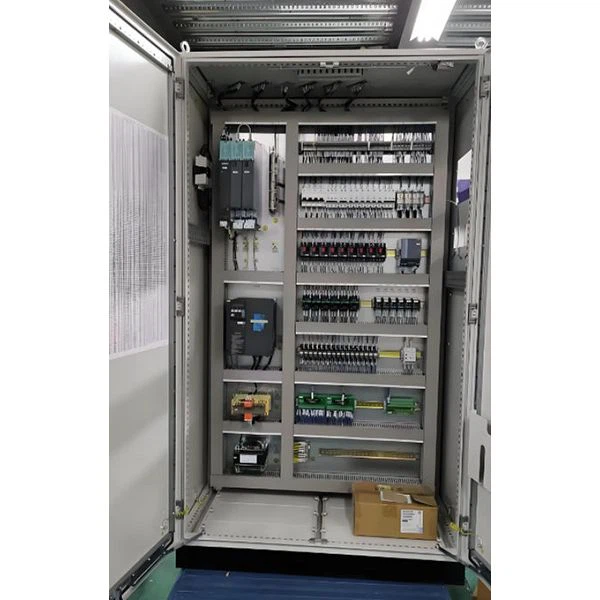
If you're facing noise issues in your electrical control cabinets or are looking for ways to improve the performance and reliability of your equipment, we'd love to help. As a leading supplier of Electrical Control Cabinet, Signal Controller Cabinet, and Power Control Cabinet, we have the expertise and experience to provide you with customized solutions that meet your specific needs. Contact us today to discuss your requirements and explore how we can help you achieve your goals.
References
- Electrical Equipment Noise and Vibration Control Handbook.
- Noise Reduction Techniques for Industrial Electrical Systems.
- Best Practices for Designing Quiet Electrical Control Cabinets.