

Selecting the appropriate actuator for a PLC control cabinet application is a crucial decision that can significantly impact the performance, efficiency, and reliability of an industrial system. As a supplier of PLC control cabinets, I understand the importance of this choice and have encountered various scenarios where the right or wrong actuator selection has made a substantial difference. In this blog, I will share some key considerations and steps to help you make an informed decision when choosing an actuator for your PLC control cabinet application.
Understanding the Basics of Actuators and PLC Control Cabinets
Before delving into the selection process, it's essential to have a clear understanding of what actuators and PLC control cabinets are and how they interact. An actuator is a device that converts energy into mechanical motion. It can be used to control valves, dampers, motors, and other mechanical components in an industrial system. On the other hand, a PLC (Programmable Logic Controller) control cabinet is a housing unit that contains a PLC, power supplies, input/output modules, and other components necessary for controlling and monitoring industrial processes.
The PLC sends signals to the actuator based on the programmed logic, and the actuator responds by moving or adjusting the mechanical component accordingly. Therefore, the compatibility between the actuator and the PLC is crucial for the proper functioning of the system.
Key Considerations for Actuator Selection
1. Type of Actuator
There are several types of actuators available, each with its own advantages and disadvantages. The most common types include:
- Electric Actuators: These actuators use electricity to generate mechanical motion. They are known for their precision, controllability, and ease of integration with PLCs. Electric actuators are suitable for applications that require accurate positioning and speed control, such as in robotics and automated manufacturing.
- Pneumatic Actuators: Pneumatic actuators use compressed air to generate motion. They are relatively simple, cost-effective, and can provide high force output. However, they may not be as precise as electric actuators and require a reliable source of compressed air. Pneumatic actuators are commonly used in applications where speed and force are more important than precision, such as in conveyor systems and packaging machines.
- Hydraulic Actuators: Hydraulic actuators use hydraulic fluid to generate motion. They can provide extremely high force output and are suitable for heavy-duty applications, such as in construction equipment and industrial presses. However, hydraulic systems are more complex and require regular maintenance.
When selecting an actuator type, consider the specific requirements of your application, such as the required force, speed, precision, and environmental conditions.
2. Force and Torque Requirements
The force and torque requirements of your application will determine the size and capacity of the actuator you need. Calculate the maximum force or torque that the actuator will need to generate to move the mechanical component. This calculation should take into account factors such as the weight of the load, friction, and any external forces acting on the system.
It's important to choose an actuator that can provide sufficient force or torque to meet the requirements of your application. However, over-sizing the actuator can lead to increased costs and energy consumption.
3. Speed and Accuracy
The speed and accuracy requirements of your application will also influence the actuator selection. If your application requires fast and precise movements, an electric actuator may be the best choice. Electric actuators can typically achieve higher speeds and accuracies compared to pneumatic and hydraulic actuators.
On the other hand, if your application does not require high precision and speed, a pneumatic or hydraulic actuator may be more suitable. These actuators can provide rapid movements and high force output at a lower cost.
4. Environmental Conditions
The environmental conditions in which the actuator will operate are another important consideration. Factors such as temperature, humidity, dust, and corrosive substances can affect the performance and lifespan of the actuator.
For example, in a high-temperature environment, an actuator with a high-temperature rating may be required. In a dusty or corrosive environment, a sealed or corrosion-resistant actuator may be necessary. Make sure to choose an actuator that is designed to withstand the specific environmental conditions of your application.
5. Compatibility with PLC
As mentioned earlier, the compatibility between the actuator and the PLC is crucial for the proper functioning of the system. The actuator should be able to communicate with the PLC using a compatible communication protocol, such as Modbus, Profibus, or Ethernet/IP.

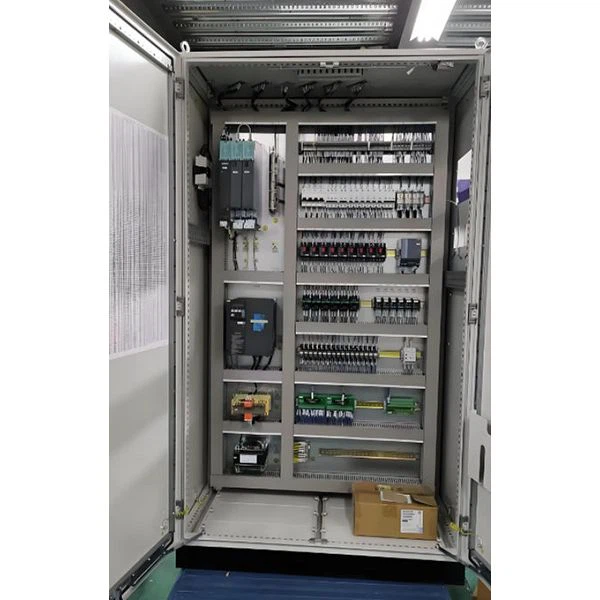
Additionally, the actuator should be able to receive and interpret the signals sent by the PLC accurately. Make sure to check the specifications of the actuator and the PLC to ensure that they are compatible.
6. Cost
Cost is always a consideration when selecting an actuator. However, it's important to remember that the cheapest option may not always be the best choice. Consider the long-term costs, including maintenance, energy consumption, and replacement parts, in addition to the initial purchase price.
A high-quality actuator may cost more upfront but can save you money in the long run by reducing maintenance and downtime.
Steps for Actuator Selection
1. Define the Application Requirements
The first step in selecting an actuator is to clearly define the requirements of your application. This includes the type of mechanical component to be controlled, the required force and torque, the speed and accuracy requirements, the environmental conditions, and any other specific requirements.
2. Research Actuator Options
Once you have defined the application requirements, research the different types of actuators available and their features. Consider the advantages and disadvantages of each type and how they match your application requirements.
You can also consult with actuator manufacturers or suppliers to get more information and recommendations.
3. Calculate the Force and Torque Requirements
Based on the application requirements, calculate the maximum force and torque that the actuator will need to generate. This calculation will help you determine the size and capacity of the actuator you need.
4. Evaluate the Environmental Conditions
Consider the environmental conditions in which the actuator will operate and choose an actuator that is designed to withstand these conditions. This may include selecting an actuator with a high-temperature rating, a sealed design, or corrosion-resistant materials.
5. Check Compatibility with PLC
Make sure that the actuator is compatible with the PLC in your control cabinet. Check the communication protocol, signal requirements, and other technical specifications to ensure that the actuator and the PLC can work together effectively.
6. Compare Costs
Compare the costs of different actuators, taking into account the initial purchase price, maintenance costs, energy consumption, and replacement parts. Choose an actuator that offers the best value for money based on your application requirements.
7. Select the Actuator
Based on the above steps, select the actuator that best meets the requirements of your application. Make sure to purchase the actuator from a reputable manufacturer or supplier to ensure quality and reliability.
Conclusion
Selecting the appropriate actuator for a PLC control cabinet application is a complex process that requires careful consideration of various factors. By understanding the basics of actuators and PLC control cabinets, defining the application requirements, researching actuator options, calculating the force and torque requirements, evaluating the environmental conditions, checking compatibility with the PLC, and comparing costs, you can make an informed decision and choose an actuator that will provide optimal performance, efficiency, and reliability for your industrial system.
If you are in the market for a PLC control cabinet or need assistance in selecting the right actuator for your application, please feel free to [contact us for procurement and negotiation]. We are a professional PLC control cabinet supplier with extensive experience and expertise in the field. We can provide you with high-quality products and customized solutions to meet your specific needs.
References
- Electrical Control Cabinet
- Industrial Control Cabinet
- Signal Controller Cabinet
- "Industrial Automation Handbook" by John Doe
- "Actuator Selection Guide" by ABC Actuator Manufacturer