

Hey there! As a supplier of industrial electrical cabinets, I often get asked about the maintenance costs associated with these essential pieces of equipment. In this blog post, I'm gonna break down the various factors that contribute to the maintenance costs of industrial electrical cabinets and give you a better understanding of what you can expect.
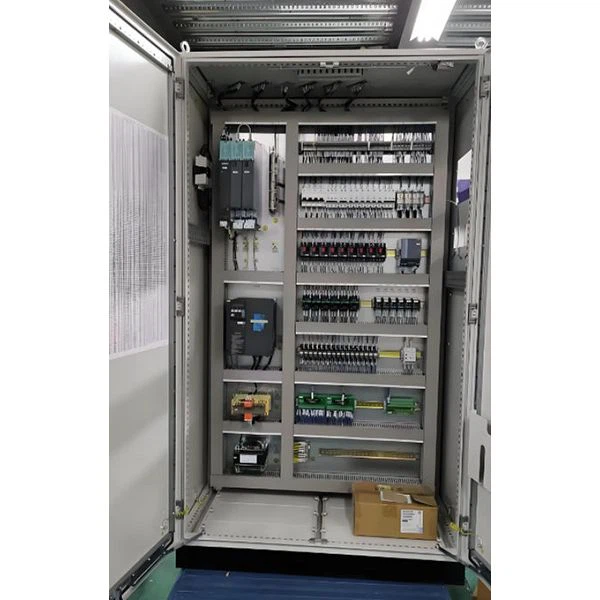
First off, let's talk about what industrial electrical cabinets are. These cabinets are used to house electrical components such as circuit breakers, switches, and relays. They come in different shapes and sizes, depending on the specific needs of the industrial application. You've got your Electrical Control Cabinet, which is used to control and monitor electrical systems. Then there's the Climate Controlled Outdoor Cabinet, designed to protect electrical equipment from harsh outdoor conditions. And don't forget the Power Control Cabinet, which is responsible for distributing and controlling electrical power.
Now, let's dive into the maintenance costs. One of the biggest factors is the cost of labor. Maintenance technicians need to be trained and certified to work on electrical cabinets safely. They'll need to inspect the cabinets regularly, check for any signs of wear and tear, and perform necessary repairs or replacements. The hourly rate for these technicians can vary depending on their level of experience and the location of the job. On average, you can expect to pay anywhere from $50 to $150 per hour for maintenance labor.
Another significant cost is the cost of parts. Over time, electrical components in the cabinets will start to wear out and need to be replaced. This could include things like circuit breakers, fuses, contactors, and relays. The cost of these parts can vary widely depending on the brand, quality, and size of the component. For example, a basic circuit breaker might cost around $20, while a high-end, industrial-grade contactor could cost several hundred dollars.
In addition to labor and parts, there are also costs associated with preventive maintenance. This includes things like cleaning the cabinets, tightening electrical connections, and lubricating moving parts. Preventive maintenance helps to extend the lifespan of the cabinets and reduce the likelihood of costly breakdowns. The cost of preventive maintenance will depend on the frequency of the maintenance schedule and the complexity of the cabinets. On average, you can expect to spend around $500 to $1,500 per year on preventive maintenance for a single industrial electrical cabinet.
Environmental factors can also have an impact on maintenance costs. If the cabinets are located in a harsh environment, such as a factory with high levels of dust, moisture, or chemicals, they'll require more frequent maintenance. For example, cabinets in a dusty environment may need to be cleaned more often to prevent the buildup of dust on the electrical components, which can cause overheating and malfunctions. In a moist environment, corrosion can be a major issue, and additional measures may need to be taken to protect the cabinets, such as using corrosion-resistant coatings or installing dehumidifiers.
The age and condition of the cabinets also play a role in maintenance costs. Older cabinets are more likely to have worn-out components and may require more frequent repairs and replacements. If the cabinets have been poorly maintained in the past, they may also have underlying issues that need to be addressed. In some cases, it may be more cost-effective to replace an older cabinet rather than continue to pour money into maintenance.
Let's take a look at some real-world examples to illustrate these costs. Suppose you have a medium-sized industrial facility with 10 electrical control cabinets. Each cabinet requires a preventive maintenance check once a year, which costs around $1,000 per cabinet. That's a total of $10,000 per year just for preventive maintenance. Now, let's say that over the course of a year, two of the cabinets experience component failures. The cost of replacing the faulty components and the labor to install them comes to around $2,000 per cabinet. So, you're looking at an additional $4,000 in repair costs. In total, you're spending around $14,000 per year on maintenance for these 10 cabinets.
So, how can you reduce the maintenance costs of your industrial electrical cabinets? One of the best ways is to invest in high-quality cabinets from the start. Quality cabinets are built to last and are less likely to experience component failures. They may also come with longer warranties, which can save you money on repairs and replacements.
Another way to reduce costs is to implement a proactive maintenance program. This involves regularly inspecting the cabinets, identifying potential issues before they become major problems, and taking preventive measures to address them. By catching problems early, you can avoid costly breakdowns and extend the lifespan of the cabinets.
Finally, it's important to work with a reputable maintenance provider. A good maintenance provider will have the experience and expertise to properly maintain your cabinets and will be able to provide you with accurate cost estimates and recommendations. They'll also be able to offer you a maintenance contract that can help you budget for your maintenance costs over the long term.
In conclusion, the maintenance costs of industrial electrical cabinets can vary widely depending on a number of factors, including labor, parts, preventive maintenance, environmental conditions, and the age and condition of the cabinets. By understanding these factors and taking proactive steps to manage them, you can reduce your maintenance costs and ensure that your electrical cabinets continue to operate safely and efficiently.

If you're in the market for industrial electrical cabinets or need help with maintenance, I'd love to chat. Feel free to reach out, and we can discuss your specific needs and how we can provide the best solutions for you.
References
- Electrical Equipment Maintenance Handbook
- Industrial Electrical Systems: Design, Installation, and Maintenance