

Hey there! I'm a supplier of power control cabinets, and today I'm gonna chat with you about what material requirements there are for these important pieces of equipment.
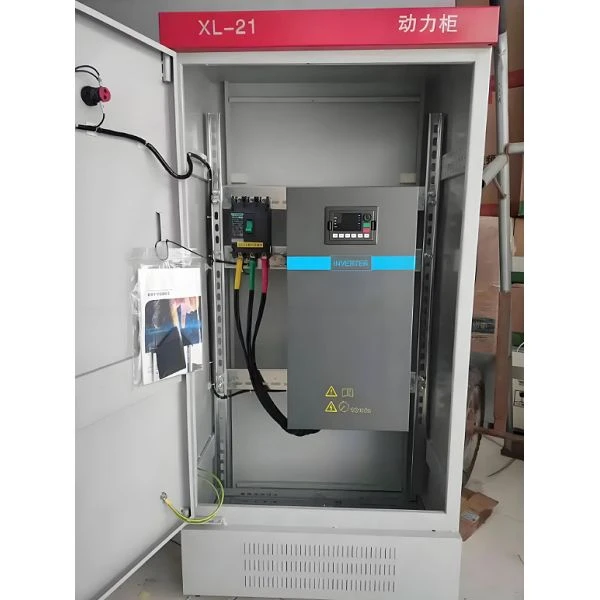
Let's start with the basics. A power control cabinet is a crucial part of many industrial and commercial setups. It's used to control, distribute, and protect electrical power systems. The materials used in its construction play a huge role in its performance, durability, and safety.
Enclosure Materials
The enclosure of a power control cabinet is like its outer shell. It needs to be tough and reliable to protect the internal components from all sorts of external factors.
Steel
Steel is one of the most commonly used materials for power control cabinet enclosures. It's strong, durable, and can withstand a lot of wear and tear. There are different types of steel, such as cold - rolled steel and hot - rolled steel. Cold - rolled steel is often preferred because it has a smoother surface finish and better dimensional accuracy. It also offers good corrosion resistance, especially when it's coated properly. For example, a zinc coating can significantly increase its resistance to rust. Many of our Industrial Control Cabinet enclosures are made of high - quality cold - rolled steel, which ensures long - term protection for the internal electrical components.
Stainless Steel
Stainless steel is another great option, especially in environments where corrosion is a major concern. It contains chromium, which forms a passive oxide layer on the surface, preventing rust and corrosion. This makes it ideal for use in harsh industrial settings, food processing plants, and marine applications. However, stainless steel is generally more expensive than regular steel. But the extra cost is worth it when you need a cabinet that can stand up to extreme conditions. Our Floor - Mounted Control Cabinet series includes models with stainless - steel enclosures for customers who require high - end corrosion resistance.
Aluminum
Aluminum is lightweight and has good thermal conductivity. It's also resistant to corrosion, although not as much as stainless steel. Aluminum enclosures are easier to handle and install compared to steel ones. They are often used in applications where weight is a concern, such as in mobile power systems or in installations where the cabinet needs to be moved around frequently. But aluminum is softer than steel, so it may not be as suitable for applications where the cabinet is likely to be subjected to heavy impacts.
Insulation Materials
Insulation is a key part of a power control cabinet. It helps to prevent electrical shocks, short - circuits, and overheating.
Fiberglass
Fiberglass is a popular insulation material. It's made of fine glass fibers and has excellent electrical insulation properties. It can withstand high temperatures and is resistant to chemicals. Fiberglass insulation is often used to line the inside of the cabinet to protect the electrical components from heat and to prevent electrical arcing. It's also lightweight and easy to install.

Polyurethane Foam
Polyurethane foam is another option. It provides good thermal and electrical insulation. It can be sprayed into the cabinet, filling all the gaps and creating a seamless insulation layer. This helps to improve the overall energy efficiency of the cabinet and reduces the risk of heat - related failures. However, polyurethane foam needs to be applied carefully to ensure proper adhesion and to avoid any voids that could compromise its insulation performance.
Electrical Component Materials
The electrical components inside the power control cabinet are the heart of the system. They need to be made of high - quality materials to ensure reliable operation.
Copper
Copper is widely used for electrical conductors because of its excellent electrical conductivity. It has low resistance, which means less energy is lost as heat when electricity flows through it. Copper conductors are used in busbars, wiring, and terminals. They are also very durable and can withstand high currents without overheating. In our Motor Control Cabinet (MCC), we use high - purity copper busbars to ensure efficient power distribution to the motors.
Silver
Silver has even better electrical conductivity than copper. However, it's much more expensive. Silver is often used in high - performance electrical contacts, such as in relays and switches. The high conductivity of silver ensures a reliable electrical connection, reducing the risk of contact failure and arcing.
Plastics
Plastics are used for many electrical components, such as terminal blocks, cable ties, and insulation sleeves. They are lightweight, inexpensive, and can be easily molded into different shapes. Some plastics also have good electrical insulation properties and are resistant to chemicals and moisture. For example, polycarbonate is a strong and transparent plastic that is often used for covers and enclosures of electrical components, allowing for easy visual inspection.
Gaskets and Seals
Gaskets and seals are important for keeping dust, moisture, and other contaminants out of the power control cabinet.
Rubber
Rubber gaskets are commonly used. They are flexible and can create a tight seal around the cabinet doors and access panels. Different types of rubber, such as neoprene and EPDM, are used depending on the application. Neoprene is resistant to oil, ozone, and weathering, making it suitable for industrial environments. EPDM has good resistance to heat, water, and UV radiation, so it's often used in outdoor applications.
Silicone
Silicone gaskets are known for their high - temperature resistance and flexibility. They can maintain their sealing properties over a wide range of temperatures, from very cold to very hot. Silicone is also resistant to chemicals and has good electrical insulation properties. This makes it a great choice for use in power control cabinets where temperature variations are common.
In conclusion, choosing the right materials for a power control cabinet is essential for its performance, safety, and longevity. As a supplier, we understand the importance of using high - quality materials in every aspect of our products. Whether you need an Industrial Control Cabinet, a Floor - Mounted Control Cabinet, or a Motor Control Cabinet (MCC), we've got you covered.
If you're in the market for a power control cabinet and want to discuss your specific requirements, feel free to reach out. We're always happy to have a chat and help you find the perfect solution for your needs.
References
- "Electrical Power Distribution Handbook"
- "Industrial Control Systems: Fundamentals and Applications"