

Hey there! As an industrial control cabinet supplier, I know how crucial it is to ensure these cabinets perform at their best. In this blog, I'll share some practical ways to test the performance of an industrial control cabinet.
1. Visual Inspection
First things first, a good old - fashioned visual inspection can tell you a lot. Start by looking at the exterior of the cabinet. Check for any signs of physical damage such as dents, scratches, or cracks. A damaged cabinet can compromise its protection level and lead to issues down the line.
Also, make sure the cabinet is properly sealed. Look at the gaskets around the doors and access panels. If there are gaps, dust and moisture can get inside, which can damage the components. For example, if you're using a Floor - Mounted Control Cabinet, a proper seal is essential to protect it from floor - level contaminants.
Inside the cabinet, check the wiring. Look for loose connections, frayed wires, or signs of overheating (like discolored insulation). Loose connections can cause power fluctuations and even short - circuits, which can be a major headache.
2. Temperature Testing
Temperature is a big deal when it comes to industrial control cabinets. High temperatures can reduce the lifespan of components and cause malfunctions. You can use an infrared thermometer to take temperature readings at different points inside the cabinet.
Check the temperature of the power supplies, transformers, and other heat - generating components. Compare the readings with the manufacturer's specifications. If the temperature is too high, it could be due to poor ventilation or overloading of the cabinet.
For instance, in an Industrial Electrical Cabinet, a large number of electrical components can generate a significant amount of heat. If the ventilation system isn't working properly, the temperature can skyrocket. You might need to clean the ventilation fans or add additional cooling units.
3. Electrical Performance Testing
Now, let's get into the electrical side of things. Use a multimeter to test the voltage, current, and resistance of the circuits inside the cabinet. Make sure the voltage levels are within the acceptable range. Fluctuations in voltage can damage sensitive electronic components.
Check the current draw of different devices. If a device is drawing too much current, it could be a sign of a fault. You can also test the insulation resistance between different conductors. Low insulation resistance can indicate a short - circuit or a problem with the insulation.
For a Motor Control Cabinet (MCC), it's especially important to test the motor starters and contactors. Check the contact resistance of the contactors. High contact resistance can cause excessive heat and wear on the contacts, leading to premature failure.
4. Functionality Testing
This is where you make sure the cabinet actually does what it's supposed to do. If it's a control cabinet for a specific process, test all the control functions. For example, if it controls a conveyor belt, start and stop the conveyor, adjust the speed, and make sure all the sensors and switches are working correctly.
Test the alarms and indicators. Make sure they go off when they're supposed to and that the messages are accurate. Faulty alarms can lead to safety hazards and production downtime.

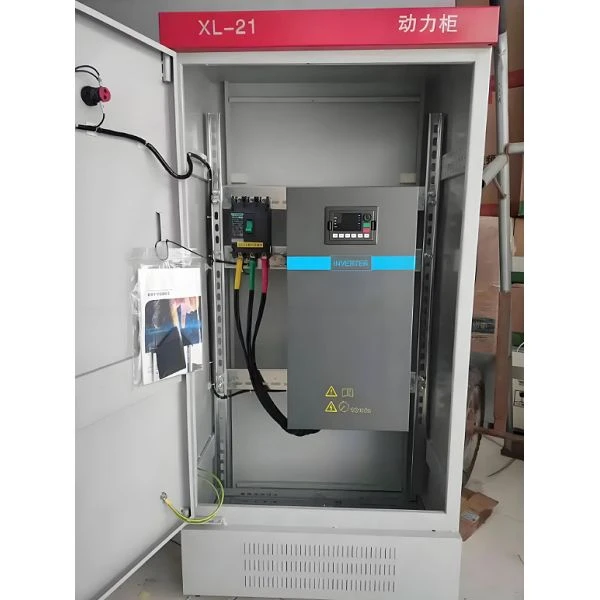
If the cabinet has a programmable logic controller (PLC), run some test programs to check its functionality. Make sure it can execute the control sequences correctly and communicate with other devices in the system.
5. Environmental Testing
Industrial control cabinets often operate in harsh environments. So, it's important to test their performance under different environmental conditions. You can simulate temperature and humidity variations in a test chamber.
Expose the cabinet to high humidity levels to see if it can still function properly. High humidity can cause corrosion of metal components and affect the performance of electronic circuits. Also, test the cabinet at different temperatures, both high and low, to ensure it can withstand the extremes.
6. EMC Testing
Electromagnetic compatibility (EMC) is another important aspect. Industrial control cabinets can generate electromagnetic interference (EMI) that can affect other nearby devices. At the same time, they need to be immune to external EMI.
You can use an EMC test setup to measure the radiated and conducted emissions of the cabinet. Make sure the emissions are within the regulatory limits. Also, test the cabinet's immunity to external electromagnetic fields. If the cabinet is not EMC - compliant, it can cause interference with other equipment in the factory.
7. Documentation Review
Don't forget to review the documentation. Check the installation manuals, wiring diagrams, and component specifications. Make sure the cabinet was installed correctly according to the manufacturer's instructions.
The documentation can also provide valuable information about the expected performance of the cabinet. If you notice any discrepancies between the actual performance and the specifications in the documentation, it could be a sign of a problem.
Conclusion
Testing the performance of an industrial control cabinet is a comprehensive process that involves multiple steps. By following these testing methods, you can ensure that your control cabinet is operating at its best, reducing the risk of downtime and costly repairs.
If you're in the market for high - quality industrial control cabinets or need more information about performance testing, don't hesitate to reach out. We're here to help you make the right choice for your industrial needs. Let's start a conversation about how we can meet your requirements and ensure your operations run smoothly.
References
- Industrial Control Cabinet Design and Installation Guide
- Electrical Testing Standards for Industrial Equipment
- Electromagnetic Compatibility Handbook