

In hazardous environments, power distribution boxes play a critical role in ensuring the safe and reliable supply of electrical power. As a power distribution box supplier, I understand the unique challenges and requirements that these environments present. This blog post will explore the key requirements for power distribution boxes in hazardous environments, drawing on my experience in the industry.
Understanding Hazardous Environments
Hazardous environments are areas where there is a risk of explosion, fire, or other dangerous conditions due to the presence of flammable gases, vapors, dusts, or fibers. These environments can be found in a variety of industries, including oil and gas, chemical processing, mining, and manufacturing.
The classification of hazardous environments is based on the type of hazardous material present, the likelihood of its presence, and the concentration at which it can form an explosive mixture. In general, hazardous environments are divided into two main categories: Class I, which involves flammable gases and vapors, and Class II, which involves combustible dusts. Each class is further divided into divisions based on the probability of the hazardous material being present in an explosive concentration.
Key Requirements for Power Distribution Boxes in Hazardous Environments
1. Explosion-Proof Design
One of the most important requirements for power distribution boxes in hazardous environments is an explosion-proof design. An explosion-proof enclosure is designed to contain an internal explosion without allowing it to propagate to the surrounding environment. This is achieved through a combination of robust construction, proper sealing, and the use of materials that can withstand the pressure and heat generated by an explosion.
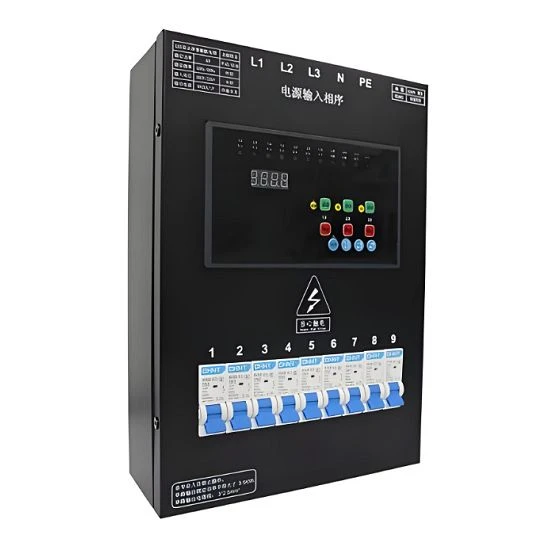

The enclosure must be able to withstand the maximum explosion pressure that could occur inside it. This requires the use of thick, high-strength materials, such as steel or aluminum, and proper welding or bolting techniques to ensure a strong and leak-tight seal. Additionally, the enclosure must have adequate ventilation to prevent the build-up of pressure during an explosion.
2. Ingress Protection (IP) Rating
In addition to being explosion-proof, power distribution boxes in hazardous environments must also have a high ingress protection (IP) rating. The IP rating indicates the degree of protection provided by the enclosure against the ingress of solid objects and liquids.
In hazardous environments, where there may be exposure to dust, water, or other contaminants, a high IP rating is essential to prevent damage to the electrical components inside the box. A common IP rating for power distribution boxes in hazardous environments is IP65 or higher, which means that the enclosure is dust-tight and protected against water jets from any direction.
For example, our Waterproof Electrical Distribution Box is designed with a high IP rating to ensure reliable performance in wet and dusty environments.
3. Temperature Resistance
Hazardous environments can often be subject to extreme temperatures, both high and low. Power distribution boxes must be able to operate within a wide temperature range without compromising their performance or safety.
The materials used in the construction of the enclosure and the electrical components inside must be able to withstand the temperature extremes of the environment. For high-temperature environments, heat-resistant materials, such as ceramic or fiberglass, may be used. For low-temperature environments, materials that are resistant to cold brittleness, such as certain types of plastics or metals, may be required.
4. Corrosion Resistance
Many hazardous environments, such as those in the oil and gas industry or near the coast, are highly corrosive. Power distribution boxes must be able to resist corrosion to ensure their long-term reliability and performance.
The enclosure can be coated with a corrosion-resistant material, such as epoxy or powder coating, to protect it from the effects of corrosion. Additionally, the use of corrosion-resistant materials for the internal components, such as stainless steel or copper, can help to prevent damage to the electrical connections and reduce the risk of electrical failures.
5. Electrical Safety Features
Power distribution boxes in hazardous environments must also be equipped with a range of electrical safety features to protect against electrical hazards, such as short circuits, overloads, and ground faults.
These safety features may include circuit breakers, fuses, and ground fault circuit interrupters (GFCIs). Circuit breakers and fuses are designed to automatically interrupt the electrical circuit in the event of an overload or short circuit, preventing damage to the electrical components and reducing the risk of fire. GFCIs are used to detect and interrupt the flow of electrical current in the event of a ground fault, which can pose a serious risk of electric shock.
6. Compliance with Standards and Regulations
Power distribution boxes in hazardous environments must comply with a variety of national and international standards and regulations. These standards and regulations are designed to ensure the safety and reliability of electrical equipment in hazardous environments.
Some of the most common standards for power distribution boxes in hazardous environments include the National Electrical Code (NEC) in the United States, the International Electrotechnical Commission (IEC) standards, and the European ATEX directive. Compliance with these standards requires rigorous testing and certification to ensure that the power distribution box meets all the necessary requirements.
Additional Considerations
1. Ease of Installation and Maintenance
Power distribution boxes in hazardous environments should be designed for easy installation and maintenance. This includes features such as removable covers, easy access to electrical components, and clear labeling of circuits and terminals.
Easy installation reduces the time and cost required to install the box, while easy maintenance allows for quick and efficient repairs and inspections. This is especially important in hazardous environments, where downtime can be costly and dangerous.
2. Compatibility with Existing Systems
When selecting a power distribution box for a hazardous environment, it is important to ensure that it is compatible with the existing electrical system. This includes considerations such as voltage, current, and frequency ratings, as well as the type of electrical connections and wiring.
Compatibility with existing systems ensures that the power distribution box can be integrated seamlessly into the overall electrical infrastructure, reducing the risk of compatibility issues and ensuring reliable operation.
3. Customization Options
Every hazardous environment is unique, and power distribution boxes may need to be customized to meet the specific requirements of the application. This may include features such as custom sizes, shapes, and configurations, as well as the addition of special electrical components or accessories.
As a power distribution box supplier, we offer a range of customization options to meet the diverse needs of our customers. Whether you need a External Distribution Board Enclosure with a specific IP rating or a External Distribution Board with custom circuit breakers, we can work with you to design and manufacture a solution that meets your exact requirements.
Conclusion
In conclusion, power distribution boxes in hazardous environments must meet a range of strict requirements to ensure the safe and reliable supply of electrical power. These requirements include explosion-proof design, high ingress protection, temperature and corrosion resistance, electrical safety features, and compliance with standards and regulations.
As a power distribution box supplier, we are committed to providing high-quality products that meet these requirements and exceed our customers' expectations. If you are in need of a power distribution box for a hazardous environment, we invite you to contact us to discuss your specific needs and explore our range of products and customization options. Our team of experts is ready to assist you in finding the right solution for your application.
References
- National Fire Protection Association. (2020). National Electrical Code (NEC).
- International Electrotechnical Commission. (2021). IEC standards for electrical equipment in hazardous areas.
- European Union. (2014). ATEX Directive 2014/34/EU on the harmonization of the laws of the Member States relating to equipment and protective systems intended for use in potentially explosive atmospheres.